


Fire suppression system play a crucial role in fire safety infrastructure in buildings. They encompass various methods and technologies designed to extinguish or control fires, preventing their spread and minimizing damage. These systems include active measures such as fire sprinklers, fire extinguishers, and foam suppression systems, as well as passive features like fire-resistant materials and compartmentation. Building owners and occupants can significantly enhance fire safety by investing in robust fire suppression systems tailored to specific building layouts, occupancy types, and fire hazards. Regular maintenance, inspections, and testing ensure the reliability and effectiveness of these systems. Effective fire suppression systems actively create a safer environment for everyone in residential, commercial, and industrial buildings, minimizing the potential impact of fires on lives and property.
What Is Fire Fighting System
Monday, 12 February 2024
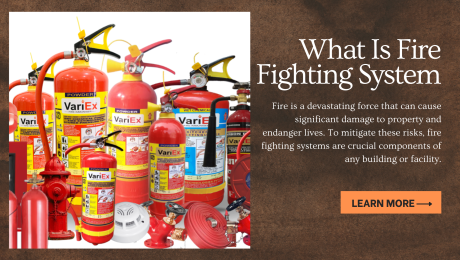
A fire fighting system is an essential safety measure implemented in buildings to mitigate the risks associated with fire incidents. It comprises a combination of equipment, devices, and procedures designed to detect, control, and extinguish fires effectively. The primary components of a fire fighting system include fire detection and alarm systems, fire extinguishers, fire hydrants, and automatic sprinkler systems. Fire detection and alarm systems are crucial in early fire detection and alerting occupants, enabling them to evacuate the building promptly while the fire is extinguished. Fire extinguishers provide a means to extinguish small fires before they escalate, whereas fire hydrants connect to the municipal water supply and ensure a continuous flow of water for firefighting operations. Automatic sprinkler systems play a critical role in suppressing fires, as they activate automatically when the ambient temperature rises above a predetermined level. Overall, a well-designed fire fighting system is crucial for safeguarding life and property in the event of a fire emergency.
- Published in ABC Fire Extinguisher, CO2 Fire Extinguisher, Fire Alarm, Fire Extinguisher, Fire Fighting System, FIre Hydrant, Fire NOC, Fire Safety Equipment, Fire Sprinkler System, Fire Suppression
No Comments
Which Buildings Require A Fire Suppression System and When?
Wednesday, 14 April 2021
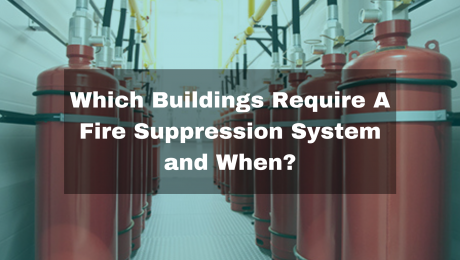
It’s necessary to have the proper extinguishing equipment at the ready when it comes to protecting your life and property from fire. In this case, Fire Suppression System plays a crucial role in preventing a fire from affecting costly damages to your building and averting injury or even death of residents or employees by allowing them proper time to leave the building after a fire is detected. Automatic fire suppression is the most suitable option for safeguarding your assets such as sensitive electronic equipment, priceless archives, and delicate paper documents and due to this, it is the best choice for ordinary office buildings, retail stores, and similar commercial properties. A fire suppression system uses dry chemicals, gases, wet chemicals, liquids, or foam to suppress fires while it is used in minimizing property damage, and downtime for your business.
- Published in Fire Suppression
Vehicle Fire Suppression System Benefits
Thursday, 11 June 2020
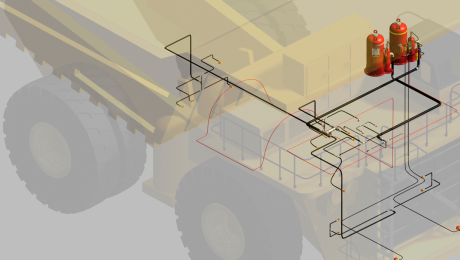
Yes, safety cannot be compromised! When a fire breaks out in the engine compartment of any vehicle, it can cause destructive damages throughout the rest of the vehicle. Whether it’s heat, flammable liquids, or electrical components in an enclosed engine compartment that can pose a significant fire risk. An accident, or hydraulic line, or even a faulty part can result in a serious emergency. Even Significant damages due to fire tragedy such as loss of life, environmental impact, and higher insurance premiums can be proven enormously harmful. The Vehicle Fire Suppression system comes into the picture to avoid such situations!
- Published in Fire Suppression