


Fire suppression system play a crucial role in fire safety infrastructure in buildings. They encompass various methods and technologies designed to extinguish or control fires, preventing their spread and minimizing damage. These systems include active measures such as fire sprinklers, fire extinguishers, and foam suppression systems, as well as passive features like fire-resistant materials and compartmentation. Building owners and occupants can significantly enhance fire safety by investing in robust fire suppression systems tailored to specific building layouts, occupancy types, and fire hazards. Regular maintenance, inspections, and testing ensure the reliability and effectiveness of these systems. Effective fire suppression systems actively create a safer environment for everyone in residential, commercial, and industrial buildings, minimizing the potential impact of fires on lives and property.
Fire Fighting System Maintenance Procedure
Tuesday, 27 February 2024
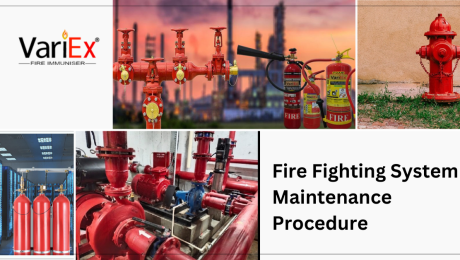
Regular maintenance of fire fighting systems is essential to ensure their continued functionality and reliability in the event of a fire emergency. This guide outlines the key procedures involved in maintaining fire suppression systems to mitigate risks and protect lives and property.
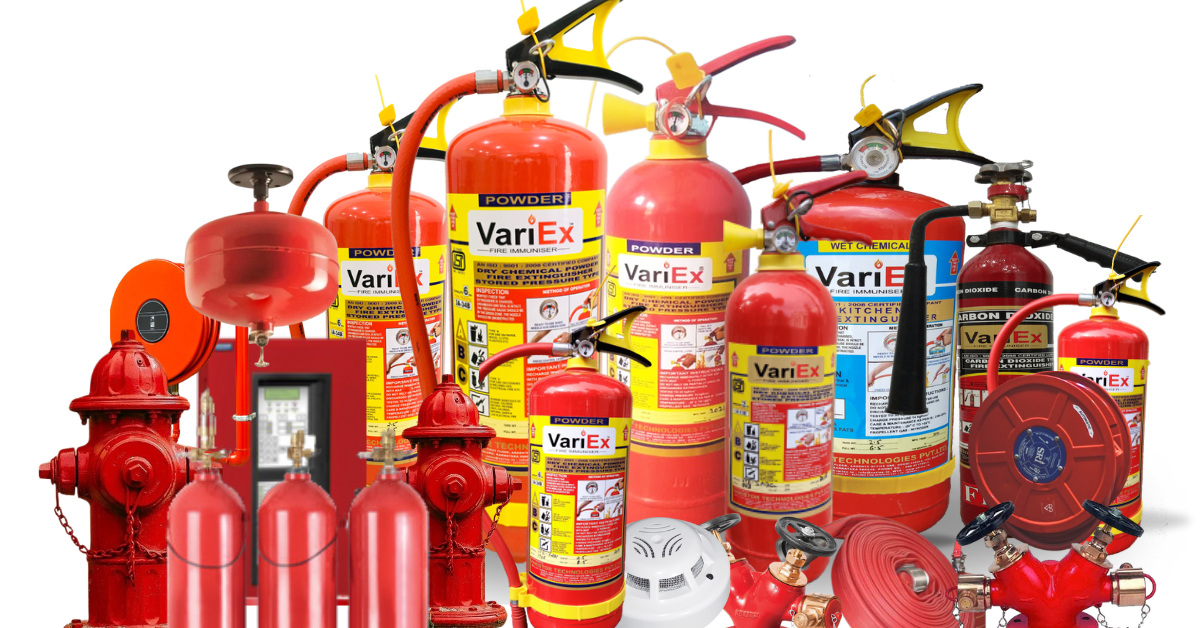
1. Scheduled Inspections:
- Conduct scheduled inspections of all components of the fire fighting system, including control panels, piping, nozzles, detectors, fire alarms system, and fire extinguishers.
- Inspections should be performed by qualified technicians according to manufacturer guidelines and regulatory requirements.
2. Functional Testing:
- Perform functional tests of the entire fire fighting system to verify proper operation and response.
- Test alarms, detectors, and suppression equipment to ensure they activate as intended.
- Simulate fire scenarios to assess the system’s effectiveness in detecting and suppressing fires.
3. Inspection of Components:
- Inspect piping, valves, and nozzles for signs of corrosion, leaks, or damage.
- Check detectors and alarms for proper positioning, cleanliness, and functionality.
- Verify that control panels and electrical connections are secure and free from defects.
- Published in ABC Fire Extinguisher, CO2 Fire Extinguisher, Fire Alarm, Fire Extinguisher, Fire Fighting System, FIre Hydrant, Fire Safety Equipment, Fire Sprinkler System, Fire Suppression
No Comments
History Of Fire Fighting And Prevention
Monday, 19 February 2024
Fire has been both a friend and foe to humanity throughout history. While it has provided warmth, light, and the ability to cook food, it has also posed significant risks to life and property. The history of fire fighting and prevention is a testament to humanity’s ingenuity and resilience in the face of this formidable adversary. In this article, we’ll journey through time to explore the evolution of fire fighting and prevention techniques, from ancient civilizations to modern innovations.
- Published in Fire Fighting System
What Are Systems Of Fire Fighting?
Monday, 12 February 2024
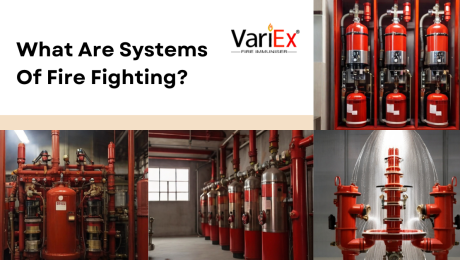
Firefighting systems are crucial for ensuring the safety and protection of lives and properties from the devastating effects of fires. These systems are designed to detect, control, and extinguish fires effectively in various settings. The key components of a fire fighting system typically include fire alarm and detection systems, fire suppression systems, and fire hydrant systems. Fire alarm and detection systems utilize state-of-the-art technology to identify the presence of smoke, heat, or flames, promptly alerting occupants and initiating appropriate measures. Fire suppression systems employ different methods such as water-based sprinklers, foam systems, or gas systems to rapidly douse or smother the fire. Fire hydrant systems provide access to adequate water supply for firefighting operations. Overall, these systems work in tandem to swiftly respond to fires, minimizing their impact and ensuring safety in residential, commercial, and industrial settings.
- Published in Fire Fighting System
Why We Use Fire Fighting System
Monday, 12 February 2024
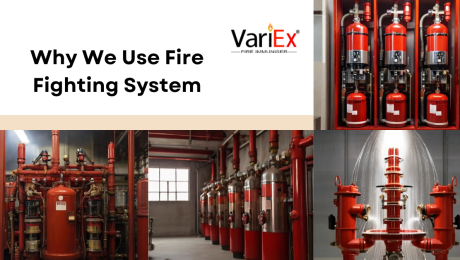
A fire fighting system is an essential component in any building or facility to ensure the safety and protection of life and property. In the event of a fire, these systems are designed to detect, control, and extinguish the flames effectively and efficiently. The primary purpose of a fire fighting system is to contain the fire, minimize its spread, and provide people with a safe means of escape. A well-designed and properly maintained fire fighting system can significantly reduce the risk of fire-related injuries or fatalities. Additionally, these systems can also protect valuable assets and minimize financial losses that may arise from fire damage. By investing in a reliable fire fighting system, we can promote a secure and safe environment for all occupants and stakeholders.
- Published in Fire Fighting System
Why Do We Need Fire Fighting System
Monday, 12 February 2024
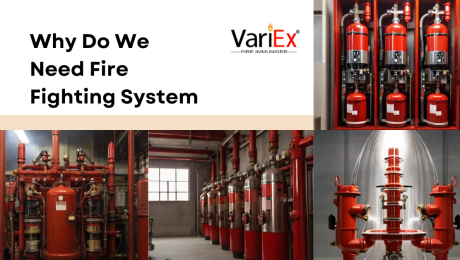
Fire fighting systems are absolutely essential for the safety and protection of buildings, properties, and lives. The potential devastating consequences of unchecked fires make it imperative to have a reliable fire fighting system in place. These systems consist of various components, such as fire alarms, sprinkler systems, fire extinguishers, and fire hydrants, all working together to detect, control, and extinguish fires. By employing such systems, we can significantly reduce the risk of fires spreading rapidly and causing widespread damage. Additionally, fire fighting systems play a crucial role in providing early warning signs, enabling occupants to evacuate safely and giving first responders valuable time to arrive and tackle the fire effectively. The investment in a well-designed fire fighting system is vital, as it helps to minimize the loss of life, property, and assets, ensuring the overall safety and well-being of individuals and communities.
- Published in Fire Fighting System
What Is The Price Of Fire Fighting System
Monday, 12 February 2024
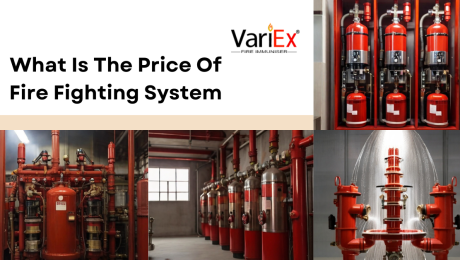
The price of a fire fighting system can vary depending on numerous factors. These include the size of the building or area that needs to be protected, the type and complexity of the system, as well as any additional features or requirements. Generally, the cost of a fire fighting system includes the equipment, such as fire alarms, extinguishers, sprinkler systems, and fire suppression agents. In addition, there are installation costs, which can involve the labor and materials required for the setup. It is important to note that maintenance and servicing costs should also be considered as an ongoing expense. To get an accurate price estimate, it is recommended to consult with fire protection experts who can assess the specific needs and provide a detailed quotation.
- Published in Fire Fighting System
What Is Fire Fighting Sprinkler System
Monday, 12 February 2024
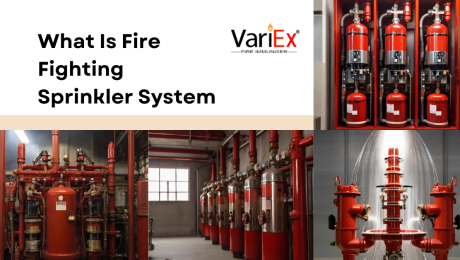
A fire fighting sprinkler system is a crucial component of any building’s fire safety strategy. This system consists of a network of pipes connected to sprinkler heads that are strategically placed throughout the building. In the event of a fire, the sprinkler heads are activated when the surrounding temperature reaches a certain threshold, causing them to release water. This immediate response helps to control and extinguish the fire, preventing it from spreading and causing further damage. Fire fighting sprinkler systems are designed to provide an early warning and contain the fire until the arrival of professional fire fighters. They are highly effective and have been proven to significantly reduce the risk of fire-related deaths and property loss. Regular maintenance and inspections are crucial to ensure that these systems are functioning optimally and ready for any emergency situation.
- Published in Fire Fighting System
What Is Common Console In Fire Fighting System
Monday, 12 February 2024
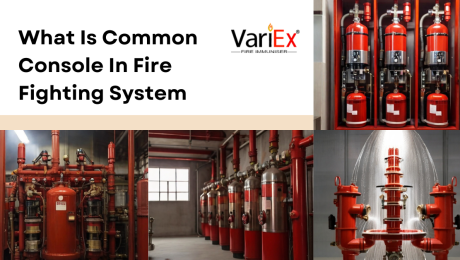
A common console in a fire fighting system refers to a centralized control unit that integrates and manages various components of the fire protection system. It acts as a brain, allowing firefighters or designated personnel to effectively monitor and control the entire system from a single location. This console typically includes features such as alarm panels, control switches, and display screens to provide real-time information on fire detection, suppression, and evacuation processes. By consolidating these functions, the common console enables quick decision-making and coordinated response in emergency situations. It plays a crucial role in enhancing the overall efficiency and safety of a fire fighting system, ensuring that firefighting efforts are efficiently directed towards mitigating potential fire risks.
- Published in Fire Fighting System
What Is Building Management System For Fire Fighting
Monday, 12 February 2024
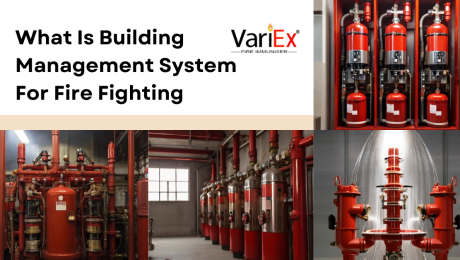
A building management system (BMS) for fire fighting is an indispensable tool for ensuring the safety and security of buildings. It is a computer-based control system specifically designed to monitor, control, and optimize various fire safety and prevention measures within a building. BMS integrates various fire detection and suppression systems, such as smoke detectors, fire alarms, and sprinklers, allowing for their efficient operation and coordination. With the ability to remotely monitor and control these systems, BMS provides real-time information on fire incidents, enabling swift response and action. Additionally, it helps in maintaining proper maintenance schedules, allows for the testing and inspection of equipment, and generates detailed reports and logs for regulatory compliance purposes. Overall, a BMS for fire fighting enables effective management and mitigation of fire risks, safeguarding occupants and property.
- Published in Fire Fighting System
How To Handle Fire Fighting System Pipe
Monday, 12 February 2024
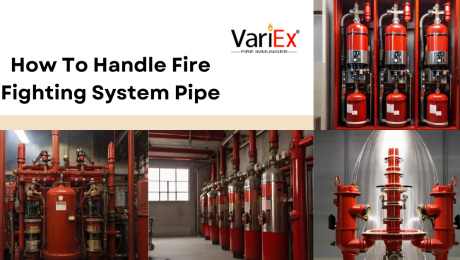
When it comes to handling fire fighting system pipes, it is crucial to adhere to professional and informative guidelines to ensure the safety and effectiveness of the system. Firstly, one must ensure that the pipes are regularly inspected and maintained to prevent any potential leaks or damages. It is essential to familiarize oneself with the layout and functions of the pipes to effectively operate and control the flow of water or extinguishing agents during an emergency. In case of a fire, it is vital to quickly locate the main shut-off valve to promptly stop the water supply and control the situation. Regular training and drills should also be conducted to familiarize oneself with the operation of the fire fighting system pipes, ensuring a swift and coordinated response in case of emergencies. Maintaining a professional and informative tone in handling these pipes is of utmost importance to guarantee the safety of individuals and property.
- Published in Fire Fighting System
Which Type Of Pump Is Used In Fire Fighting System
Monday, 12 February 2024
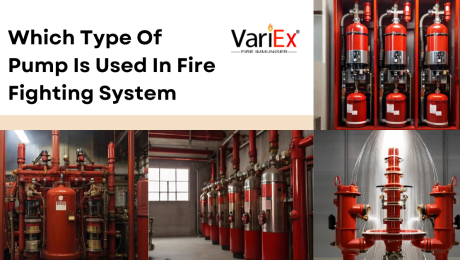
In fire fighting systems, the type of pump used plays a critical role in ensuring effective and efficient operation during emergencies. One commonly used pump in these systems is the centrifugal pump. Known for its ability to handle large volumes of water, this pump is designed to convert mechanical energy into kinetic energy, resulting in the rapid expulsion of water at high velocities. Another popular pump choice is the positive displacement pump. While it operates at lower flow rates compared to centrifugal pumps, it provides high pressure and is ideal for delivering water to extended distances or overcoming obstacles. Regardless of the type, these pumps are crucial in providing a reliable water supply to fire suppression systems, enabling firefighters to combat flames and save lives effectively.
- Published in Fire Fighting System
What Is Sprinkler System In Fire Fighting
Monday, 12 February 2024
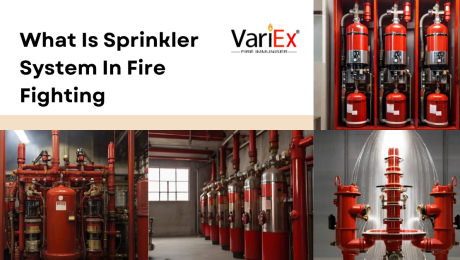
A sprinkler system in fire fighting is a critical component of a building’s fire protection system, designed to suppress and control fires until professional firefighters arrive on the scene. It is a network of pipes connected to a reliable water supply, usually a dedicated water tank or the municipal water system. The sprinkler system is equipped with sprinkler heads strategically placed throughout the building, which activate individually when heat triggers them. When a fire occurs, the heat from the flames rises and activates a sprinkler head, causing it to release water onto the affected area. The water flow creates a cooling effect, lowers the temperature, and suppresses the fire, providing valuable time for occupants to evacuate safely and prevent further damage to the property. Sprinkler systems are highly effective in fighting fires, as they can often extinguish a fire before it grows too large or becomes uncontrollable.
- Published in Fire Fighting System
What Is Fixed Fire Fighting System
Monday, 12 February 2024
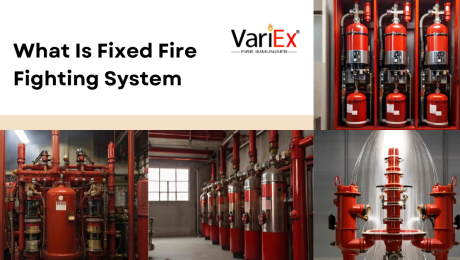
A fixed fire fighting system refers to a comprehensive fire suppression system installed in a building or an industrial facility. It is designed to automatically detect and extinguish fires in their early stages without human intervention. This system typically consists of a combination of sensors, detectors, valves, pipes, and nozzles strategically placed throughout the area to provide effective fire protection. Examples of fixed fire fighting systems include sprinkler systems, gas suppression systems, water mist systems, and foam systems. These systems are crucial in preventing the rapid spread of fire and minimizing damage to property, as well as ensuring the safety of occupants and employees. It is essential to regularly inspect, maintain, and test these systems to ensure their proper functioning when needed.