


Home is where safety begins, and prioritizing fire safety is crucial for protecting lives and property. Start by installing smoke detectors in key areas and regularly testing them. Ensure the availability of fire extinguishers and educate family members on their use. Create and practice a fire escape plan, designating meeting points outside the home. Regularly inspect electrical systems and appliances for potential hazards, and avoid overloading outlets. Keep flammable materials away from heat sources and candles, and be cautious in the kitchen to prevent cooking-related fires. Educate family members, especially children, on fire safety practices. By taking proactive measures and fostering a culture of awareness, you can significantly reduce the risk of fires at home. Fire safety is a shared responsibility, and a well-prepared household is better equipped to handle emergencies and protect its members.
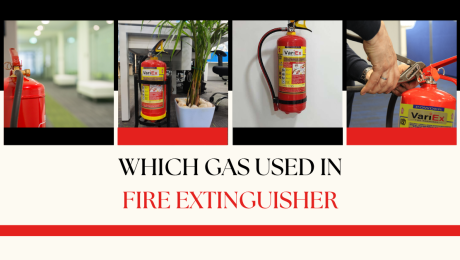
Which Gas Used In Fire Extinguisher
Wednesday, 27 March 2024
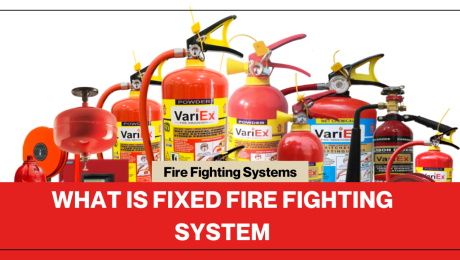
What Is Fixed Fire Fighting System
Thursday, 21 March 2024
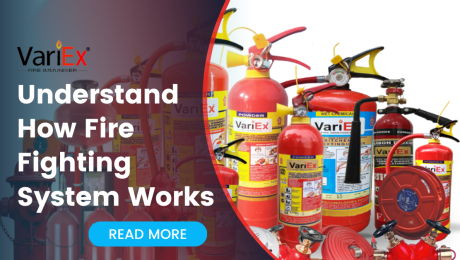
Understand How Fire Fighting System Works
Saturday, 09 March 2024
- Published in Fire Extinguisher, Fire Fighting System, Fire Safety Equipment
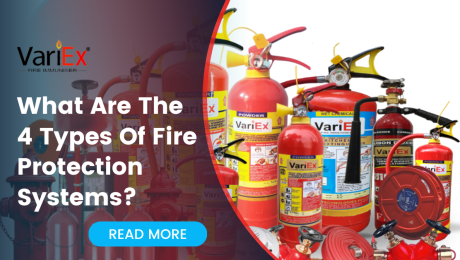
What Are The 4 Types Of Fire Protection Systems?
Saturday, 09 March 2024
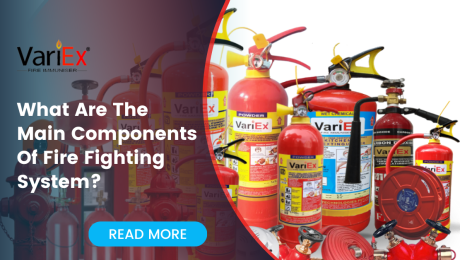
What Are The Main Components Of Fire Fighting System?
Saturday, 09 March 2024
Fire Fighting System Maintenance Procedure
Tuesday, 27 February 2024
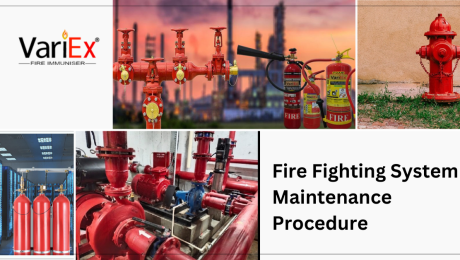
Regular maintenance of fire fighting systems is essential to ensure their continued functionality and reliability in the event of a fire emergency. This guide outlines the key procedures involved in maintaining fire suppression systems to mitigate risks and protect lives and property.
1. Scheduled Inspections:
- Conduct scheduled inspections of all components of the fire fighting system, including control panels, piping, nozzles, detectors, fire alarms system, and fire extinguishers.
- Inspections should be performed by qualified technicians according to manufacturer guidelines and regulatory requirements.
2. Functional Testing:
- Perform functional tests of the entire fire fighting system to verify proper operation and response.
- Test alarms, detectors, and suppression equipment to ensure they activate as intended.
- Simulate fire scenarios to assess the system’s effectiveness in detecting and suppressing fires.
3. Inspection of Components:
- Inspect piping, valves, and nozzles for signs of corrosion, leaks, or damage.
- Check detectors and alarms for proper positioning, cleanliness, and functionality.
- Verify that control panels and electrical connections are secure and free from defects.
Fire Fighting System For Electrical Equipment
Tuesday, 27 February 2024
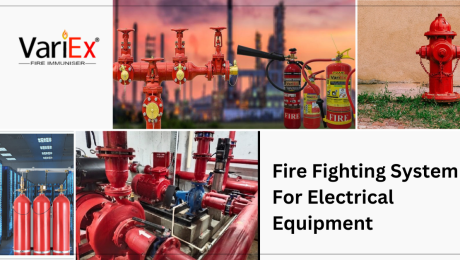
In today’s technologically driven world, the reliance on electrical equipment is ubiquitous, spanning industries from manufacturing plants to data centers and commercial buildings. However, alongside the convenience and efficiency these systems provide, there exists a persistent risk of electrical fires. These fires, often swift and devastating, pose significant threats to personnel safety, property integrity, and business continuity. To address this critical issue, the implementation of comprehensive fire fighting systems specifically tailored for electrical hazards is paramount.
Types Of Valves Used In Fire Fighting System
Thursday, 22 February 2024
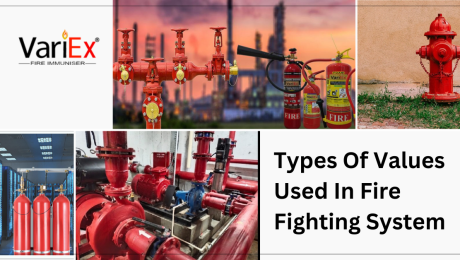
In the realm of fire safety, the effectiveness of fire fighting systems relies heavily on the proper functioning of various valves. These valves play a critical role in controlling the flow of water, directing it to the areas where it’s needed most during fire suppression efforts. This article delves into the different types of valves used in fire fighting systems, highlighting their functions and importance in ensuring swift and effective response to fires.
What Is Fixed Fire Fighting System
Monday, 12 February 2024
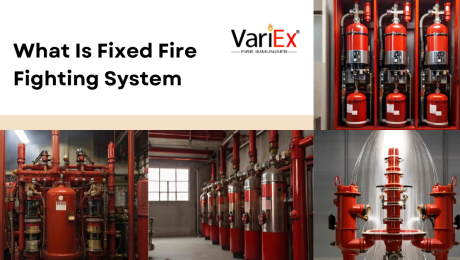
A fixed fire fighting system refers to a comprehensive fire suppression system installed in a building or an industrial facility. It is designed to automatically detect and extinguish fires in their early stages without human intervention. This system typically consists of a combination of sensors, detectors, valves, pipes, and nozzles strategically placed throughout the area to provide effective fire protection. Examples of fixed fire fighting systems include sprinkler systems, gas suppression systems, water mist systems, and foam systems. These systems are crucial in preventing the rapid spread of fire and minimizing damage to property, as well as ensuring the safety of occupants and employees. It is essential to regularly inspect, maintain, and test these systems to ensure their proper functioning when needed.
What Is Fire Fighting System
Monday, 12 February 2024
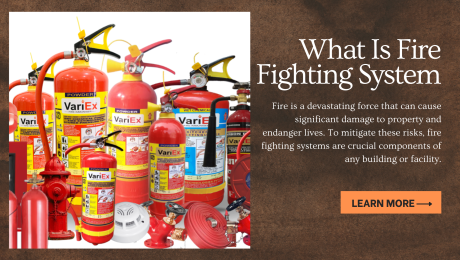
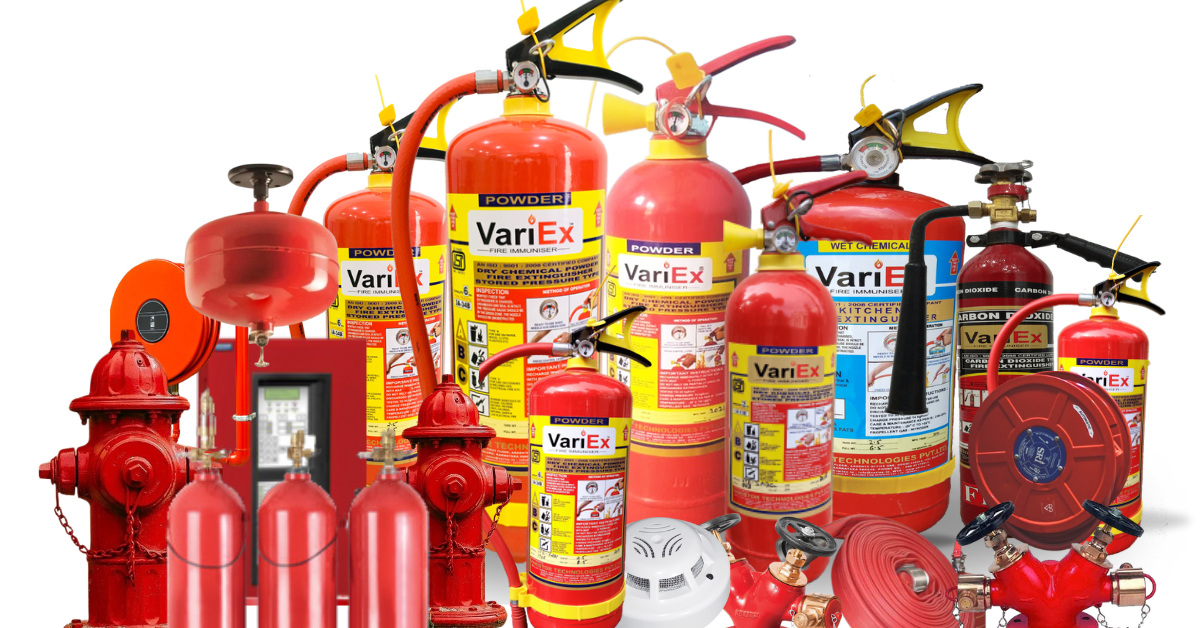
A fire fighting system is an essential safety measure implemented in buildings to mitigate the risks associated with fire incidents. It comprises a combination of equipment, devices, and procedures designed to detect, control, and extinguish fires effectively. The primary components of a fire fighting system include fire detection and alarm systems, fire extinguishers, fire hydrants, and automatic sprinkler systems. Fire detection and alarm systems are crucial in early fire detection and alerting occupants, enabling them to evacuate the building promptly while the fire is extinguished. Fire extinguishers provide a means to extinguish small fires before they escalate, whereas fire hydrants connect to the municipal water supply and ensure a continuous flow of water for firefighting operations. Automatic sprinkler systems play a critical role in suppressing fires, as they activate automatically when the ambient temperature rises above a predetermined level. Overall, a well-designed fire fighting system is crucial for safeguarding life and property in the event of a fire emergency.
The Complete Fire NOC Checklist
Tuesday, 30 January 2024
The Complete Fire NOC Checklist is a comprehensive tool designed to assist businesses and public establishments in ensuring their compliance with fire safety regulations. This checklist covers all essential aspects, from fire alarm systems and emergency exits to fire extinguishers and sprinkler systems. By meticulously following this checklist, businesses can effectively mitigate fire risks and protect not only their property but also the lives of occupants and visitors. The checklist provides guidelines for regular inspections, maintenance, and testing of fire safety equipment and systems to ensure their proper functioning. Moreover, it offers essential tips for fire safety training and emergency preparedness, enabling businesses to create a robust fire safety plan. With its professional and informative approach, The Complete Fire NOC Checklist is an invaluable resource for organizations dedicated to maintaining a safe and secure environment.
- Published in Fire NOC
What Happens If You Don’t Recharge A Fire Extinguisher?
Wednesday, 27 December 2023
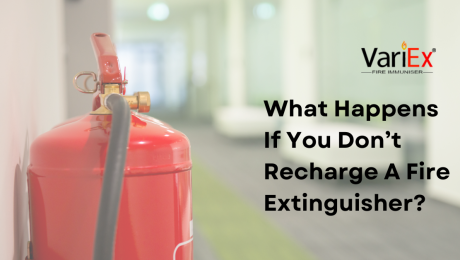
A fire extinguisher is an essential safety device that can swiftly extinguish small fires before they turn into major disasters. However, like any other tools, fire extinguishers require regular maintenance, including recharging, to ensure their effectiveness. If a fire extinguisher is not recharged when required, it will be rendered useless in times of emergency. Over time, the pressure inside the extinguisher cylinder gradually decreases, leading to a decrease in the propellant gas. Without a proper recharge, the fire extinguisher lacks the necessary pressure to expel the extinguishing agent effectively. Consequently, in the event of a fire, an unrecharged extinguisher may fail to emit the required pressure and may no longer be capable of suppressing the flames. Therefore, it is of utmost importance to diligently schedule and perform regular recharging of fire extinguishers to maintain their functionality and ensure the safety of individuals and property.
- Published in Fire Extinguisher
Top Fire Extinguisher Refilling Services In Bengalore
Wednesday, 27 December 2023
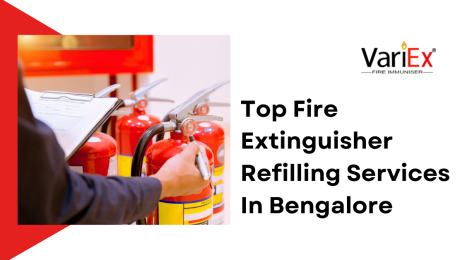
In Bengaluru, there are several top-notch fire extinguisher refilling services that ensure the safety and peace of mind for both residential and commercial spaces. One such reputable service is ABC Fire Safety Systems, known for their prompt and efficient refilling process. They possess a team of skilled professionals who possess in-depth knowledge and expertise in handling various types of fire extinguishers. Another highly recommended service is Fire Safe India, recognized for their commitment to quality and reliability. With their state-of-the-art facilities and trained technicians, they provide thorough inspections, refilling, and maintenance of fire extinguishers. Lastly, Secure Fire Protection Services offers comprehensive refilling services, safeguarding businesses and residences with their reliable and cost-effective solutions. All these top fire extinguisher refilling services in Bengaluru prioritize safety and ensure that their clients are equipped with functioning extinguishers for any unforeseen fire emergencies.
- Published in Fire Extinguisher