


Fire suppression’s refers to actively using methods and systems to extinguish or control fires, preventing their spread and minimizing damage. Various techniques and technologies exist for fire suppression’s, including employing water-based systems like fire sprinklers and fire hydrants, as well as using chemical-based systems such as fire extinguishers and foam suppression systems. Additionally, building design often incorporates passive fire suppression’s features, like integrating fire-resistant materials and compartmentation to contain fires. Factors such as the type of fire, the presence of flammable materials, and the speed of response affect the effectiveness of fire suppression’s measures. Ensuring reliability and effectiveness of fire suppression’s systems requires proper planning, maintenance, and training. By using a combination of active and passive suppression methods, buildings can enhance fire safety and minimize the potential impact of fires on lives and property.
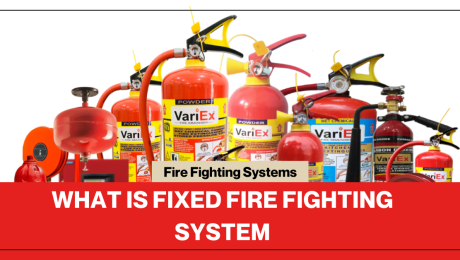
What Is Fixed Fire Fighting System
Thursday, 21 March 2024
- Published in ABC Fire Extinguisher, CO2 Fire Extinguisher, Fire Alarm, Fire Extinguisher, Fire Fighting System, FIre Hydrant, Fire Safety Equipment, Fire Sprinkler System, Fire Suppression
No Comments
Tube Fire Detection And Suppression Systems
Friday, 15 March 2024

- Published in Fire Fighting System
Fire Suppression Tubing System For Battery Rack
Friday, 15 March 2024

- Published in Fire Fighting System

Fire Suppression System For Electrical Panels
Friday, 15 March 2024

- Published in Fire Fighting System
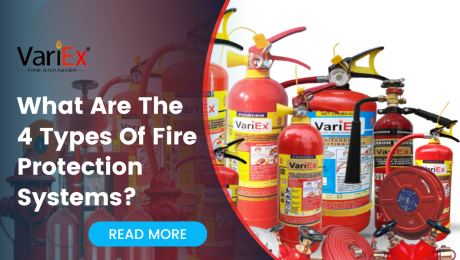
What Are The 4 Types Of Fire Protection Systems?
Saturday, 09 March 2024
How Are Fire Suppression Systems Installed?
Saturday, 09 March 2024

- Published in Fire Fighting System
Fire Fighting System Maintenance Procedure
Tuesday, 27 February 2024
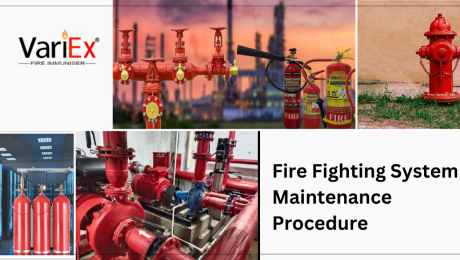
Regular maintenance of fire fighting systems is essential to ensure their continued functionality and reliability in the event of a fire emergency. This guide outlines the key procedures involved in maintaining fire suppression systems to mitigate risks and protect lives and property.
1. Scheduled Inspections:
- Conduct scheduled inspections of all components of the fire fighting system, including control panels, piping, nozzles, detectors, fire alarms system, and fire extinguishers.
- Inspections should be performed by qualified technicians according to manufacturer guidelines and regulatory requirements.
2. Functional Testing:
- Perform functional tests of the entire fire fighting system to verify proper operation and response.
- Test alarms, detectors, and suppression equipment to ensure they activate as intended.
- Simulate fire scenarios to assess the system’s effectiveness in detecting and suppressing fires.
3. Inspection of Components:
- Inspect piping, valves, and nozzles for signs of corrosion, leaks, or damage.
- Check detectors and alarms for proper positioning, cleanliness, and functionality.
- Verify that control panels and electrical connections are secure and free from defects.
Types Of Valves Used In Fire Fighting System
Thursday, 22 February 2024
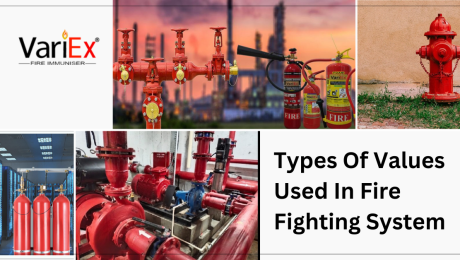
In the realm of fire safety, the effectiveness of fire fighting systems relies heavily on the proper functioning of various valves. These valves play a critical role in controlling the flow of water, directing it to the areas where it’s needed most during fire suppression efforts. This article delves into the different types of valves used in fire fighting systems, highlighting their functions and importance in ensuring swift and effective response to fires.
Fire Fighting System In Residential Building
Monday, 12 February 2024

A fire fighting system is an essential component in any residential building, aiming to ensure the safety and protection of its occupants. These systems are designed to detect and control fires in their early stages, preventing them from spreading and causing extensive damage. The two main components of a fire fighting system in a residential building are the fire alarm system and the sprinkler system. The fire alarm system consists of smoke detectors and fire alarms strategically placed throughout the building, promptly notifying occupants of the presence of fire. On the other hand, the sprinkler system activates when heat from a fire is detected, releasing water to extinguish the fire and control the spread of flames. With a reliable fire fighting system in place, residents can have peace of mind, knowing that their safety is prioritized in the event of a fire emergency.
- Published in Fire Fighting System
What Are Systems Of Fire Fighting?
Monday, 12 February 2024
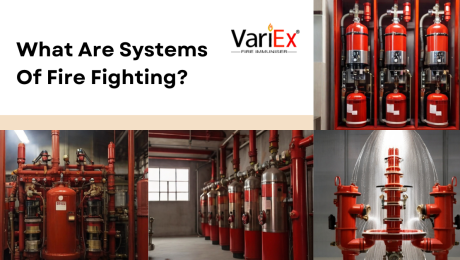
Firefighting systems are crucial for ensuring the safety and protection of lives and properties from the devastating effects of fires. These systems are designed to detect, control, and extinguish fires effectively in various settings. The key components of a fire fighting system typically include fire alarm and detection systems, fire suppression systems, and fire hydrant systems. Fire alarm and detection systems utilize state-of-the-art technology to identify the presence of smoke, heat, or flames, promptly alerting occupants and initiating appropriate measures. Fire suppression systems employ different methods such as water-based sprinklers, foam systems, or gas systems to rapidly douse or smother the fire. Fire hydrant systems provide access to adequate water supply for firefighting operations. Overall, these systems work in tandem to swiftly respond to fires, minimizing their impact and ensuring safety in residential, commercial, and industrial settings.
- Published in Fire Fighting System
Why We Use Fire Fighting System
Monday, 12 February 2024
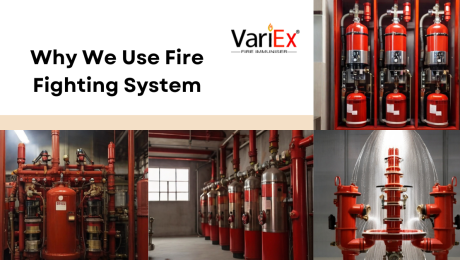
A fire fighting system is an essential component in any building or facility to ensure the safety and protection of life and property. In the event of a fire, these systems are designed to detect, control, and extinguish the flames effectively and efficiently. The primary purpose of a fire fighting system is to contain the fire, minimize its spread, and provide people with a safe means of escape. A well-designed and properly maintained fire fighting system can significantly reduce the risk of fire-related injuries or fatalities. Additionally, these systems can also protect valuable assets and minimize financial losses that may arise from fire damage. By investing in a reliable fire fighting system, we can promote a secure and safe environment for all occupants and stakeholders.
- Published in Fire Fighting System
Why Do We Need Fire Fighting System
Monday, 12 February 2024
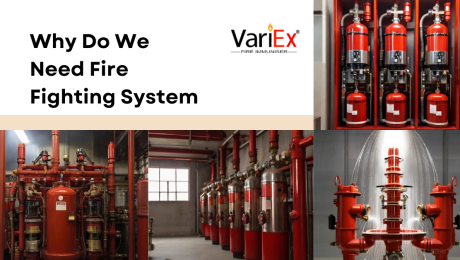
Fire fighting systems are absolutely essential for the safety and protection of buildings, properties, and lives. The potential devastating consequences of unchecked fires make it imperative to have a reliable fire fighting system in place. These systems consist of various components, such as fire alarms, sprinkler systems, fire extinguishers, and fire hydrants, all working together to detect, control, and extinguish fires. By employing such systems, we can significantly reduce the risk of fires spreading rapidly and causing widespread damage. Additionally, fire fighting systems play a crucial role in providing early warning signs, enabling occupants to evacuate safely and giving first responders valuable time to arrive and tackle the fire effectively. The investment in a well-designed fire fighting system is vital, as it helps to minimize the loss of life, property, and assets, ensuring the overall safety and well-being of individuals and communities.
- Published in Fire Fighting System
What Type Of Pump Is Suitable For Fire Fighting System
Monday, 12 February 2024

When it comes to selecting a pump for a fire fighting system, several factors should be considered to ensure effective and efficient performance. One type of pump that is widely considered suitable for this purpose is the diesel engine-driven centrifugal pump. These pumps are known for their reliability and ability to deliver high volumes of water at high pressures, which is crucial in tackling fire emergencies. The diesel engine ensures that the pump can operate independently of the main power supply, enabling it to be deployed in remote areas or during power outages. Additionally, centrifugal pumps are designed to handle a wide range of flow rates and pressures, making them versatile for various fire suppression applications. Their sturdy construction and ability to handle both clean and dirty water make them suitable for the harsh environments often encountered in fire fighting scenarios. Overall, a diesel engine-driven centrifugal pump is a dependable choice for any fire fighting system due to its robustness, versatility, and reliability in the face of emergencies.
- Published in Fire Fighting System
What Is The Price Of Fire Fighting System
Monday, 12 February 2024
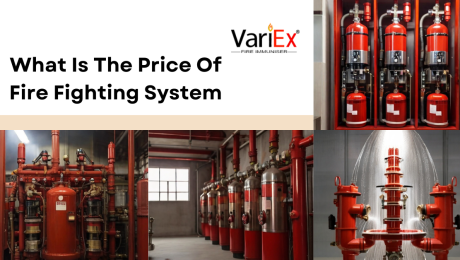
The price of a fire fighting system can vary depending on numerous factors. These include the size of the building or area that needs to be protected, the type and complexity of the system, as well as any additional features or requirements. Generally, the cost of a fire fighting system includes the equipment, such as fire alarms, extinguishers, sprinkler systems, and fire suppression agents. In addition, there are installation costs, which can involve the labor and materials required for the setup. It is important to note that maintenance and servicing costs should also be considered as an ongoing expense. To get an accurate price estimate, it is recommended to consult with fire protection experts who can assess the specific needs and provide a detailed quotation.
- Published in Fire Fighting System