


Fire safety’s is a critical aspect of ensuring the well-being of individuals and protecting property. It involves a comprehensive set of practices and measures designed to prevent, detect, and respond to fire hazards. Key elements of fire safety’s include the installation of smoke detectors, fire extinguishers, and sprinkler systems in homes and businesses. Educational initiatives and fire drills are essential to enhance awareness and preparedness. Additionally, adherence to safety regulations and regular inspections of fire safety’s equipment are crucial for maintaining effectiveness. Fire-resistant materials in construction and the development of clear evacuation plans further contribute to overall safety. By prioritizing fire safety’s, individuals and communities can mitigate the risks associated with fires, fostering a secure environment where lives and property are safeguarded.
Fire Fighting System Maintenance Procedure
Tuesday, 27 February 2024
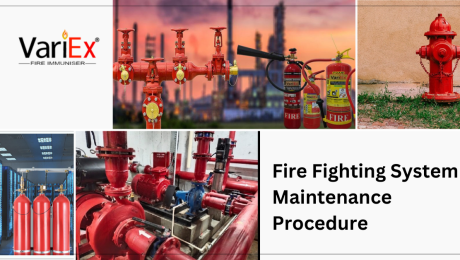
Regular maintenance of fire fighting systems is essential to ensure their continued functionality and reliability in the event of a fire emergency. This guide outlines the key procedures involved in maintaining fire suppression systems to mitigate risks and protect lives and property.
1. Scheduled Inspections:
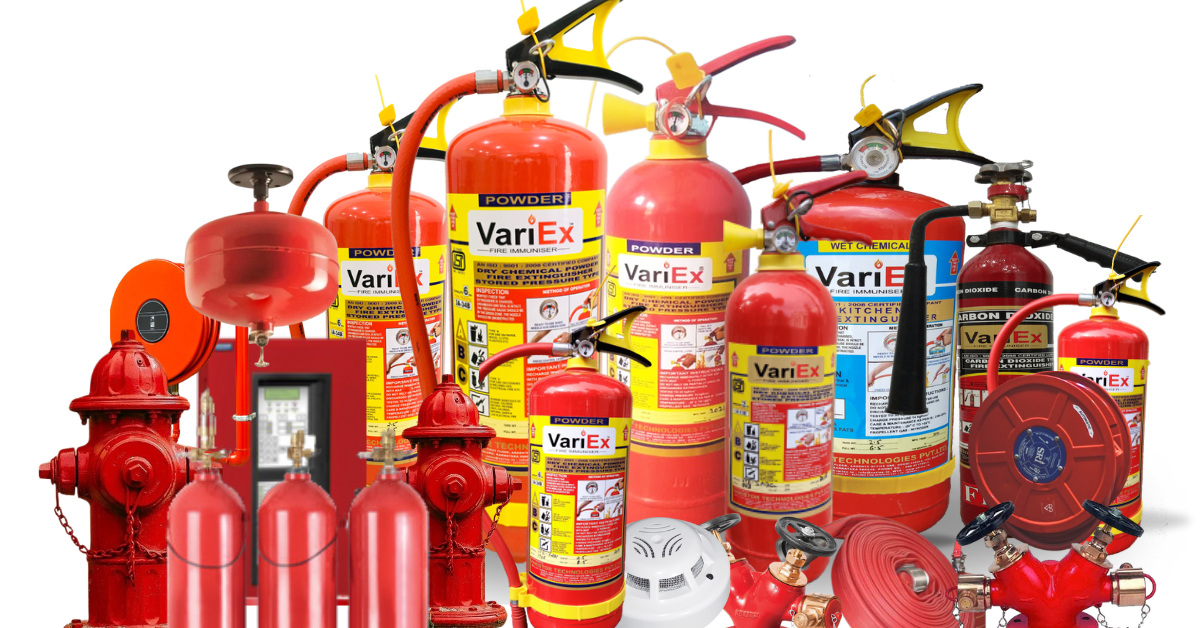
- Conduct scheduled inspections of all components of the fire fighting system, including control panels, piping, nozzles, detectors, fire alarms system, and fire extinguishers.
- Inspections should be performed by qualified technicians according to manufacturer guidelines and regulatory requirements.
2. Functional Testing:
- Perform functional tests of the entire fire fighting system to verify proper operation and response.
- Test alarms, detectors, and suppression equipment to ensure they activate as intended.
- Simulate fire scenarios to assess the system’s effectiveness in detecting and suppressing fires.
3. Inspection of Components:
- Inspect piping, valves, and nozzles for signs of corrosion, leaks, or damage.
- Check detectors and alarms for proper positioning, cleanliness, and functionality.
- Verify that control panels and electrical connections are secure and free from defects.
- Published in ABC Fire Extinguisher, CO2 Fire Extinguisher, Fire Alarm, Fire Extinguisher, Fire Fighting System, FIre Hydrant, Fire Safety Equipment, Fire Sprinkler System, Fire Suppression
No Comments
Fire Fighting System For Electrical Equipment
Tuesday, 27 February 2024
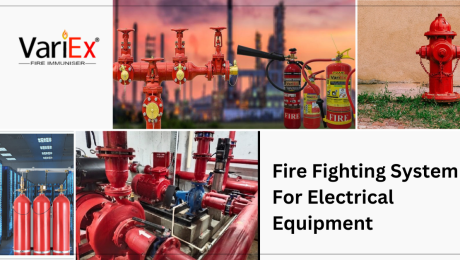
In today’s technologically driven world, the reliance on electrical equipment is ubiquitous, spanning industries from manufacturing plants to data centers and commercial buildings. However, alongside the convenience and efficiency these systems provide, there exists a persistent risk of electrical fires. These fires, often swift and devastating, pose significant threats to personnel safety, property integrity, and business continuity. To address this critical issue, the implementation of comprehensive fire fighting systems specifically tailored for electrical hazards is paramount.
Types Of Valves Used In Fire Fighting System
Thursday, 22 February 2024
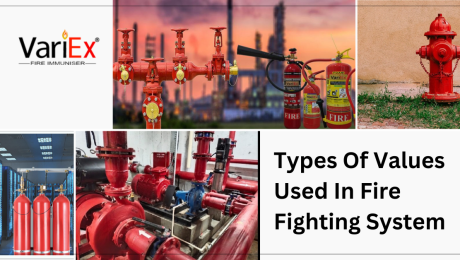
In the realm of fire safety, the effectiveness of fire fighting systems relies heavily on the proper functioning of various valves. These valves play a critical role in controlling the flow of water, directing it to the areas where it’s needed most during fire suppression efforts. This article delves into the different types of valves used in fire fighting systems, highlighting their functions and importance in ensuring swift and effective response to fires.
What Is Fixed Fire Fighting System
Monday, 12 February 2024
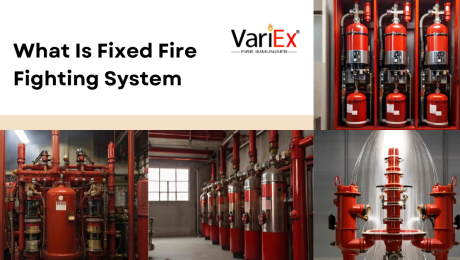
A fixed fire fighting system refers to a comprehensive fire suppression system installed in a building or an industrial facility. It is designed to automatically detect and extinguish fires in their early stages without human intervention. This system typically consists of a combination of sensors, detectors, valves, pipes, and nozzles strategically placed throughout the area to provide effective fire protection. Examples of fixed fire fighting systems include sprinkler systems, gas suppression systems, water mist systems, and foam systems. These systems are crucial in preventing the rapid spread of fire and minimizing damage to property, as well as ensuring the safety of occupants and employees. It is essential to regularly inspect, maintain, and test these systems to ensure their proper functioning when needed.
What Is Fire Fighting System
Monday, 12 February 2024
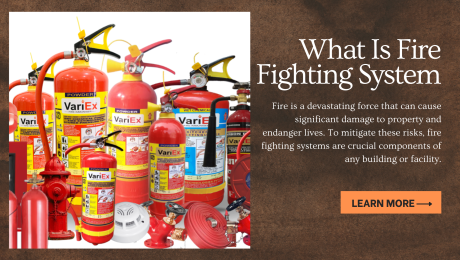
A fire fighting system is an essential safety measure implemented in buildings to mitigate the risks associated with fire incidents. It comprises a combination of equipment, devices, and procedures designed to detect, control, and extinguish fires effectively. The primary components of a fire fighting system include fire detection and alarm systems, fire extinguishers, fire hydrants, and automatic sprinkler systems. Fire detection and alarm systems are crucial in early fire detection and alerting occupants, enabling them to evacuate the building promptly while the fire is extinguished. Fire extinguishers provide a means to extinguish small fires before they escalate, whereas fire hydrants connect to the municipal water supply and ensure a continuous flow of water for firefighting operations. Automatic sprinkler systems play a critical role in suppressing fires, as they activate automatically when the ambient temperature rises above a predetermined level. Overall, a well-designed fire fighting system is crucial for safeguarding life and property in the event of a fire emergency.
Types Of Fire NOC (NO Objection Certificate)
Tuesday, 30 January 2024
A No Objection Certificate (NOC) is a vital document required for obtaining fire safety clearances. There are various types of Fire NOCs that cater to different purposes and premises. The first type is an NOC for commercial buildings, which includes offices, shopping malls, and restaurants. It ensures compliance with fire safety measures, such as installing fire extinguishers, smoke detectors, and fire exit routes. The second type is an NOC for residential buildings, ensuring fire safety in apartments and housing complexes. This includes requirements such as fire-resistant doors, proper ventilation systems, and fire alarms. In addition, there are specific NOCs for industries, entertainment venues, educational institutions, and hospitals, each encompassing their unique safety regulations. It is imperative to obtain the relevant NOCs to guarantee the safety of occupants and prevent fire hazards.
- Published in Fire NOC
Fire NOC Building Height
Tuesday, 30 January 2024
The Fire NOC (No Objection Certificate) Building Height regulation plays a crucial role in ensuring the safety of buildings in terms of fire hazards. This regulation is designed to prevent the escalation of fire incidents by imposing maximum building height limits that allow for efficient fire-fighting operations and emergency evacuation plans. It takes into consideration various factors, such as the availability of firefighting equipment, access routes, and the structural integrity of the building. By adhering to these guidelines, building developers, architects, and authorities can work together to create structures that mitigate potential fire risks and facilitate emergency response. Compliance with the Fire NOC Building Height regulation is imperative to safeguard lives, protect property, and foster a secure urban environment.
- Published in Fire NOC
Fire NOC Renewal Documents
Tuesday, 30 January 2024
The process of renewing a Fire NOC (No Objection Certificate) is vital to ensure the safety and compliance of a building or establishment. When it comes to Fire NOC renewal documents, it is crucial to provide accurate and up-to-date information. These documents typically include a detailed fire safety inspection report, updated floor plans highlighting emergency exits and fire extinguisher locations, and maintenance records for fire safety equipment. Additionally, any modifications or changes made to the building’s fire safety systems should be documented and submitted along with the renewal application. By having clear and comprehensive Fire NOC renewal documents, authorities can verify that all necessary fire safety measures are in place, minimizing the risk of fire-related incidents and ensuring the wellbeing of residents or occupants.
- Published in Fire NOC
How To Get Fire NOC
Tuesday, 30 January 2024
Getting a Fire NOC (No Objection Certificate) is a crucial step for ensuring the safety and compliance of a building or establishment. To obtain a Fire NOC, the first step is to thoroughly assess the premises and its fire safety measures. This includes installing fire extinguishers, smoke detectors, and fire alarms in appropriate locations. Next, it is essential to conduct fire safety drills and train employees or residents on fire safety protocols. Additionally, proper documentation, such as building plans and fire safety certificates, should be in order. Finally, an application should be submitted to the local fire department with all the necessary documentation for review and inspection. By following these steps and adhering to fire safety regulations, one can successfully obtain a Fire NOC in a timely manner.
- Published in Fire NOC
Fire NOC Exemption
Tuesday, 30 January 2024
A Fire NOC Exemption is a document that allows certain establishments to operate without obtaining a No Objection Certificate (NOC) from the local fire department. This exemption is typically granted to buildings that have implemented extensive fire safety measures and comply with all the necessary fire codes and regulations. The purpose of this exemption is to streamline the process for businesses that have invested in robust fire safety systems, allowing them to focus on their operations without unnecessary bureaucratic hurdles. However, it is important to note that the exemption does not absolve the establishment from complying with fire safety standards. Regular inspections and mandatory compliance with fire safety regulations are still mandatory to ensure the safety of occupants and neighboring structures. Obtaining a Fire NOC Exemption can significantly benefit businesses by saving time, resources, and administrative effort, while maintaining a high level of fire safety standards.
- Published in Fire NOC
What Is The Average Cost Of Recharging A Fire Extinguisher?
Wednesday, 27 December 2023

The average cost of recharging a fire extinguisher varies depending on the type and size of the extinguisher. Typically, the cost ranges from $15 to $50 per unit. Recharging a small portable extinguisher usually falls within the lower end of the spectrum, while larger, more specialized extinguishers can be at the higher end. It is important to note that recharging should be carried out by a qualified professional to ensure that the extinguisher is fully functional and meets safety standards. Additionally, the cost may also include any necessary replacement parts or maintenance required during the recharge process. For an accurate estimate, it is best to consult with a reputable fire safety company or service provider.
- Published in Fire Extinguisher
What Happens If You Don’t Recharge A Fire Extinguisher?
Wednesday, 27 December 2023
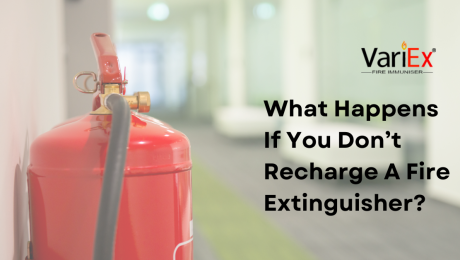
A fire extinguisher is an essential safety device that can swiftly extinguish small fires before they turn into major disasters. However, like any other tools, fire extinguishers require regular maintenance, including recharging, to ensure their effectiveness. If a fire extinguisher is not recharged when required, it will be rendered useless in times of emergency. Over time, the pressure inside the extinguisher cylinder gradually decreases, leading to a decrease in the propellant gas. Without a proper recharge, the fire extinguisher lacks the necessary pressure to expel the extinguishing agent effectively. Consequently, in the event of a fire, an unrecharged extinguisher may fail to emit the required pressure and may no longer be capable of suppressing the flames. Therefore, it is of utmost importance to diligently schedule and perform regular recharging of fire extinguishers to maintain their functionality and ensure the safety of individuals and property.
- Published in Fire Extinguisher
Can Fire Extinguishers Be Refilled
Wednesday, 27 December 2023
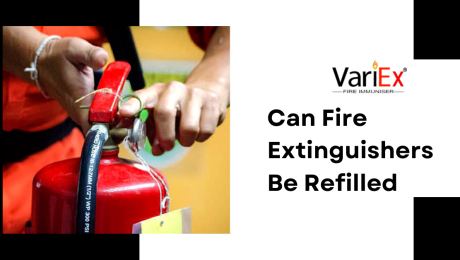
Yes, fire extinguishers can be refilled. Refilling a fire extinguisher is a crucial maintenance practice that ensures its proper functioning in case of an emergency. However, it is important to note that not all types of fire extinguishers can be refilled. Typically, carbon dioxide, dry chemical, and clean agent fire extinguishers can be refilled, whereas water and foam extinguishers cannot be refilled and need to be replaced entirely. Refilling a fire extinguisher should always be done by a certified professional who is knowledgeable about the specific type of extinguisher and its requirements. Regular maintenance and refilling of fire extinguishers are essential to adhere to safety regulations and ensure the readiness of these critical firefighting devices.
- Published in Fire Extinguisher
How To Refill A Fire Extinguisher
Tuesday, 26 December 2023
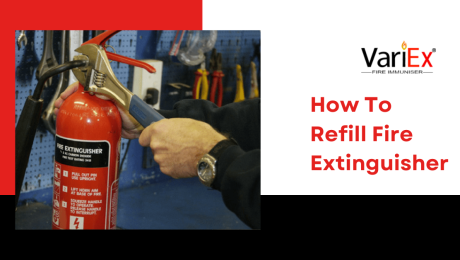
Fire safety is of utmost importance in any home or workplace, and having a functional fire extinguisher can be a lifesaver in an emergency. However, many people are unaware that fire extinguishers need to be refilled after use or periodically to ensure their effectiveness. In this article, we will guide you through the process of refilling a fire extinguisher, ensuring that it is ready to combat any fire that may occur.
- Published in Fire Extinguisher
Automated Modular Fire Suppression System
Tuesday, 26 December 2023
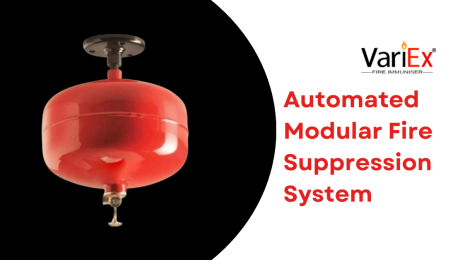
An Automated Modular Fire Suppression System is a cutting-edge technology designed to enhance fire safety measures in various environments. This advanced system utilizes state-of-the-art sensors and detectors, coupled with an intelligent control unit, to detect and extinguish fires swiftly and effectively. With its modular design, the system can be customized according to the specific needs of any space, be it a residential building, industrial facility, or data center. The sensors constantly monitor the environment for any signs of fire, triggering the immediate release of a targeted extinguishing agent to suppress the flames. This automated solution eliminates the need for human intervention, thereby minimizing the risk to personnel and reducing potential property damage. With its professional and informative tone, this paragraph highlights the key features and benefits of an Automated Modular Fire Suppression System, emphasizing its significance in safeguarding lives and assets.
- Published in Fire Extinguisher