


A fire alarm system plays a critical role in safeguarding lives and property against the devastating effects of fire. It comprises detectors, sensors, and alert mechanisms designed to swiftly identify signs of smoke, heat, or flames. Once it triggers, the system emits a loud and distinctive sound, providing an early warning to occupants. Modern fire alarm systems often integrate advanced technologies, ensuring comprehensive protection. Regular testing, maintenance, and adherence to safety standards are essential to guarantee the system’s reliability. Whether in homes, businesses, or industrial settings, investing in a robust fire alarm systems is a proactive measure that significantly enhances overall safety. Timely detection and response not only prevent potential disasters but also afford occupants crucial moments to evacuate, underscoring the vital role of a well-maintained fire alarm system in comprehensive fire safety protocols.
What Is Fixed Fire Fighting System
Thursday, 21 March 2024
- Published in ABC Fire Extinguisher, CO2 Fire Extinguisher, Fire Alarm, Fire Extinguisher, Fire Fighting System, FIre Hydrant, Fire Safety Equipment, Fire Sprinkler System, Fire Suppression
No Comments
What Is Fire Suppression System And How Does It Works?
Saturday, 09 March 2024

- Published in Fire Fighting System
Fire Protection System- Fire Safety Products And Solution
Saturday, 09 March 2024

- Published in Fire Fighting System
Fire Fighting System Types And Equipment
Saturday, 09 March 2024

- Published in Fire Fighting System
Understand How Fire Fighting System Works
Saturday, 09 March 2024
- Published in Fire Extinguisher, Fire Fighting System, Fire Safety Equipment
What Are The 4 Types Of Fire Protection Systems?
Saturday, 09 March 2024
What Are The Main Components Of Fire Fighting System?
Saturday, 09 March 2024
Fire Fighting Equipment Installation Services
Saturday, 09 March 2024

- Published in Fire Fighting System

Fire Fighting System Maintenance Procedure
Tuesday, 27 February 2024
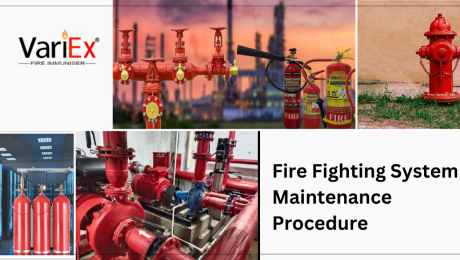
Regular maintenance of fire fighting systems is essential to ensure their continued functionality and reliability in the event of a fire emergency. This guide outlines the key procedures involved in maintaining fire suppression systems to mitigate risks and protect lives and property.
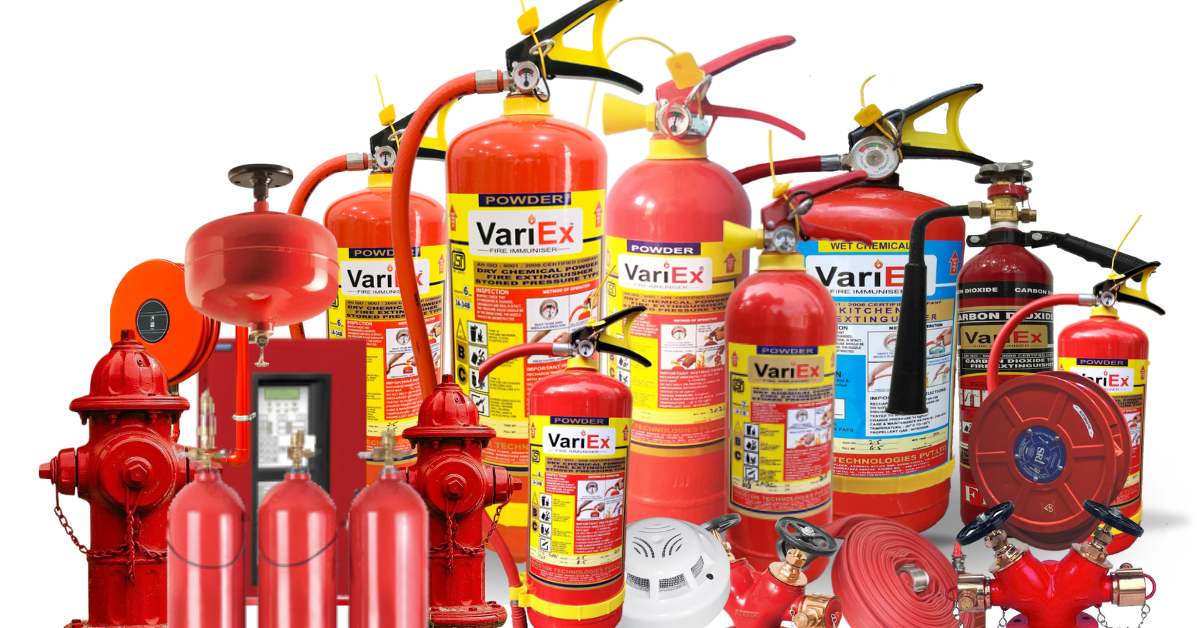
1. Scheduled Inspections:
- Conduct scheduled inspections of all components of the fire fighting system, including control panels, piping, nozzles, detectors, fire alarms system, and fire extinguishers.
- Inspections should be performed by qualified technicians according to manufacturer guidelines and regulatory requirements.
2. Functional Testing:
- Perform functional tests of the entire fire fighting system to verify proper operation and response.
- Test alarms, detectors, and suppression equipment to ensure they activate as intended.
- Simulate fire scenarios to assess the system’s effectiveness in detecting and suppressing fires.
3. Inspection of Components:
- Inspect piping, valves, and nozzles for signs of corrosion, leaks, or damage.
- Check detectors and alarms for proper positioning, cleanliness, and functionality.
- Verify that control panels and electrical connections are secure and free from defects.
Fire Fighting System For Electrical Equipment
Tuesday, 27 February 2024
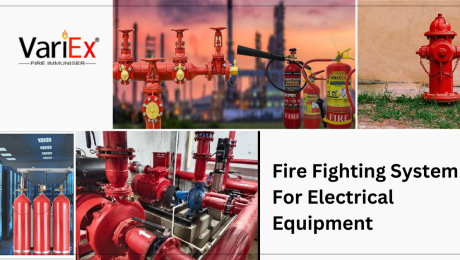
In today’s technologically driven world, the reliance on electrical equipment is ubiquitous, spanning industries from manufacturing plants to data centers and commercial buildings. However, alongside the convenience and efficiency these systems provide, there exists a persistent risk of electrical fires. These fires, often swift and devastating, pose significant threats to personnel safety, property integrity, and business continuity. To address this critical issue, the implementation of comprehensive fire fighting systems specifically tailored for electrical hazards is paramount.
Types Of Valves Used In Fire Fighting System
Thursday, 22 February 2024
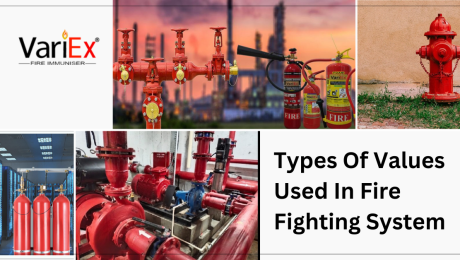
In the realm of fire safety, the effectiveness of fire fighting systems relies heavily on the proper functioning of various valves. These valves play a critical role in controlling the flow of water, directing it to the areas where it’s needed most during fire suppression efforts. This article delves into the different types of valves used in fire fighting systems, highlighting their functions and importance in ensuring swift and effective response to fires.
What Is Fixed Fire Fighting System
Monday, 12 February 2024
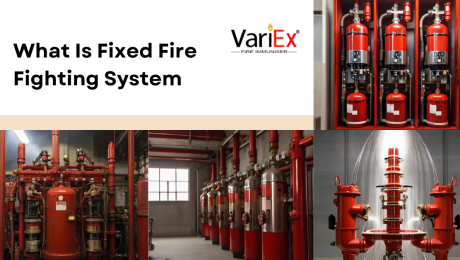
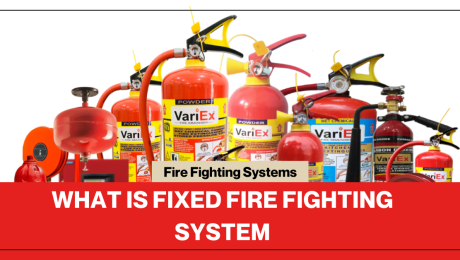
A fixed fire fighting system refers to a comprehensive fire suppression system installed in a building or an industrial facility. It is designed to automatically detect and extinguish fires in their early stages without human intervention. This system typically consists of a combination of sensors, detectors, valves, pipes, and nozzles strategically placed throughout the area to provide effective fire protection. Examples of fixed fire fighting systems include sprinkler systems, gas suppression systems, water mist systems, and foam systems. These systems are crucial in preventing the rapid spread of fire and minimizing damage to property, as well as ensuring the safety of occupants and employees. It is essential to regularly inspect, maintain, and test these systems to ensure their proper functioning when needed.
Can Expired Fire Extinguishers Be Recharged?
Wednesday, 27 December 2023
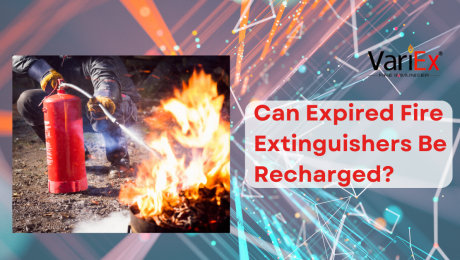
Expired fire extinguishers should not be recharged as they have passed their recommended service life. Fire extinguishers have a limited lifespan, typically ranging from 5 to 15 years, depending on the type and manufacturer. While they may still physically appear intact, expired extinguishers may have compromised internal components or unreliable pressure gauges, making them ineffective and potentially dangerous during emergencies. Recharging expired extinguishers does not guarantee their functionality, and it can even lead to explosive situations. It is crucial to regularly inspect and replace fire extinguishers to ensure optimal performance when combating fires.
- Published in Fire Extinguisher