


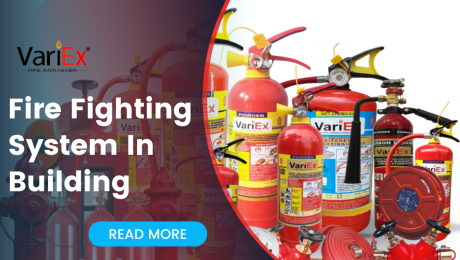
Fire Fighting System In Building
Saturday, 09 March 2024
- Published in Fire Fighting System
No Comments
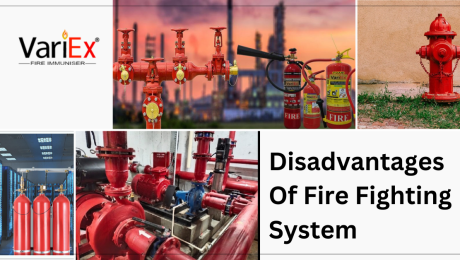
Disadvantages Of Fire Fighting System
Monday, 04 March 2024
- Published in Fire Fighting System
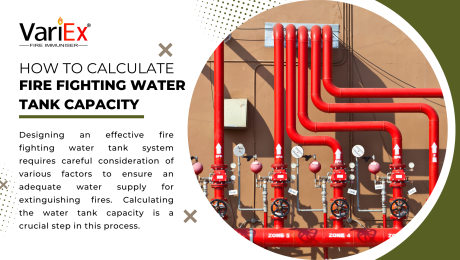
How To Calculate Fire Fighting Water Tank Capacity
Monday, 04 March 2024
- Published in Fire Fighting System
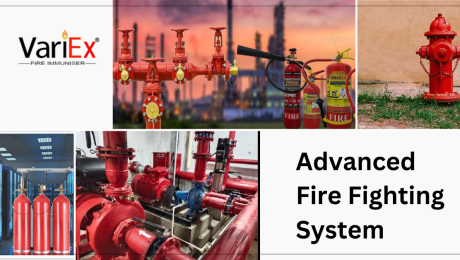
How To Operate Fire Fighting Equipment
Monday, 04 March 2024
- Published in Fire Fighting System
Which Type Of Pump Is Used In Fire Fighting System
Monday, 04 March 2024
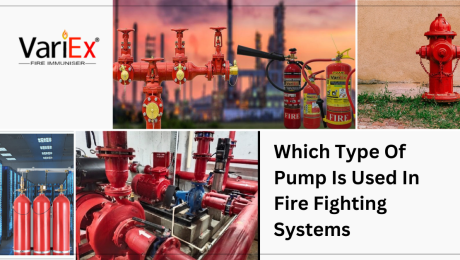
Fire fighting systems rely on pumps to provide the necessary water pressure for extinguishing fires effectively. The type of pump used depends on various factors, including the system design, water source, and application requirements. Here’s an overview of the common types of pumps used in fire fighting systems.
- Published in Fire Fighting System
Water Mist Fire Fighting System Specification
Monday, 04 March 2024
- Published in Fire Fighting System
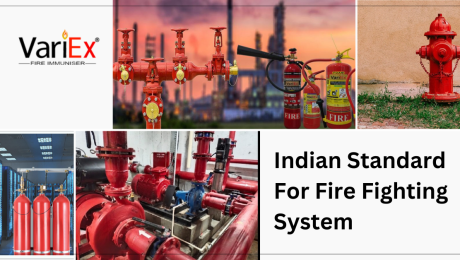
Indian Standard For Fire Fighting System
Monday, 04 March 2024
- Published in Fire Fighting System
Minor Blast Injures Four at Rameshwaram Cafe in Whitefield.
Friday, 01 March 2024

- Published in Fire Extinguisher
How To Use Fire Extinguisher
Thursday, 29 February 2024
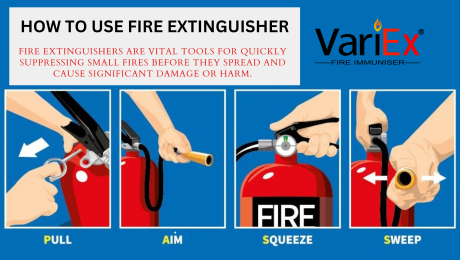
Fire extinguishers are vital tools for quickly suppressing small fires before they spread and cause significant damage or harm. Understanding how to properly operate a fire extinguisher is essential for everyone’s safety. In this comprehensive guide, we’ll delve deeper into the specifics of using a fire extinguisher effectively in various situations.
- Published in Fire Extinguisher
Fixed Foam Fire Fighting System Requirements
Tuesday, 27 February 2024
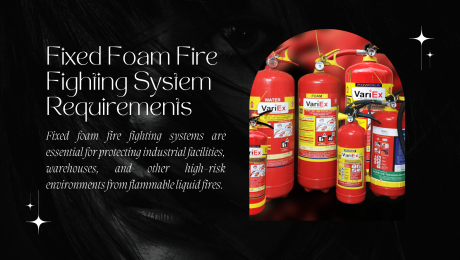
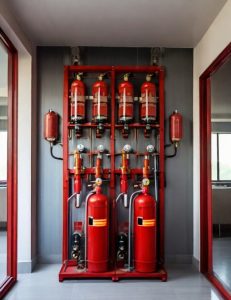
Fixed foam fire fighting systems are essential for protecting industrial facilities, warehouses, and other high-risk environments from flammable liquid fires. Understanding the requirements for these systems is crucial to ensure compliance and effectiveness. This guide delves into the key requirements for designing, installing, and maintaining fixed foam fire fighting systems.
1. Hazard Assessment:
- Conduct a thorough hazard assessment to identify potential fire risks, including the types and quantities of flammable liquids present, storage configurations, and occupancy classifications.
- The hazard assessment helps determine the appropriate foam concentrate type, discharge rates, and system design requirements.
2. System Design Criteria:
- Design the fixed foam fire fighting system based on recognized standards and guidelines, such as NFPA 11 and NFPA 16, as well as local building codes and regulations.
- Consider factors such as foam concentrate storage, proportioning methods, discharge devices, and hydraulic calculations to meet system design criteria.
- Published in Fire Fighting System
Fixed Foam Fire Fighting System Regulations
Tuesday, 27 February 2024
Fixed foam fire fighting systems are critical for combating flammable liquid fires in various industries, including petrochemical, oil and gas, and chemical processing. Understanding the regulations governing these systems is essential for ensuring compliance and maximizing safety. This guide explores the key regulations and standards applicable to fixed foam fire fighting systems.
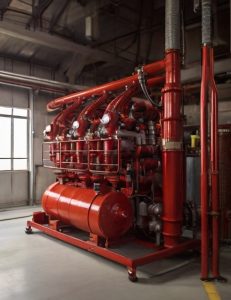
1. NFPA 11: Standard for Low-, Medium-, and High-Expansion Foam
- The National Fire Protection Association (NFPA) 11 standard provides guidelines for the design, installation, operation, testing, and maintenance of fixed foam fire fighting systems.
- It covers various aspects, including foam concentrate storage, proportioning, discharge devices, and system components.
2. NFPA 16: Standard for the Installation of Foam-Water Sprinkler and Foam-Water Spray Systems
- NFPA 16 outlines requirements for the design, installation, and maintenance of foam-water sprinkler and foam-water spray systems used in fire protection applications.
- The standard addresses system design, component selection, hydraulic calculations, and testing procedures.
3. International Fire Code (IFC) and National Fire Code (NFC)
- The International Fire Code (IFC) and National Fire Code (NFC) provide regulations related to fire protection and prevention, including the installation and maintenance of fixed foam fire fighting systems.
- These codes may adopt NFPA standards or include specific requirements for foam systems based on local jurisdictional needs.
- Published in Fire Fighting System
Fire Fighting System Maintenance Procedure
Tuesday, 27 February 2024
Regular maintenance of fire fighting systems is essential to ensure their continued functionality and reliability in the event of a fire emergency. This guide outlines the key procedures involved in maintaining fire suppression systems to mitigate risks and protect lives and property.
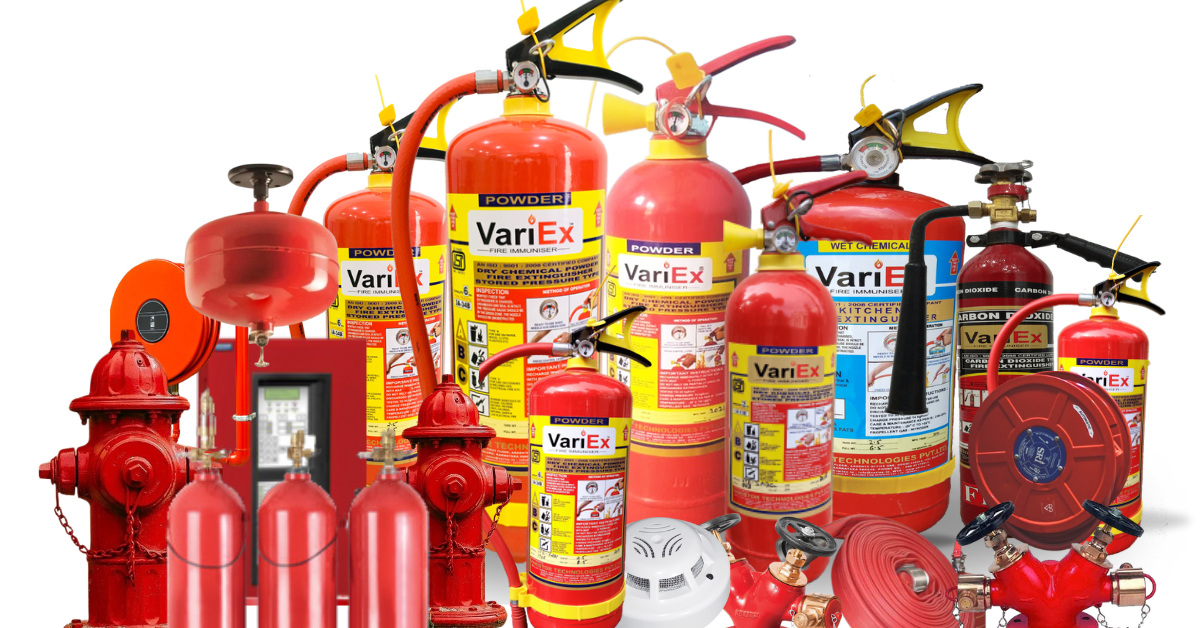
1. Scheduled Inspections:
- Conduct scheduled inspections of all components of the fire fighting system, including control panels, piping, nozzles, detectors, fire alarms system, and fire extinguishers.
- Inspections should be performed by qualified technicians according to manufacturer guidelines and regulatory requirements.
2. Functional Testing:
- Perform functional tests of the entire fire fighting system to verify proper operation and response.
- Test alarms, detectors, and suppression equipment to ensure they activate as intended.
- Simulate fire scenarios to assess the system’s effectiveness in detecting and suppressing fires.
3. Inspection of Components:
- Inspect piping, valves, and nozzles for signs of corrosion, leaks, or damage.
- Check detectors and alarms for proper positioning, cleanliness, and functionality.
- Verify that control panels and electrical connections are secure and free from defects.
Fire Fighting System Installation Procedure
Tuesday, 27 February 2024
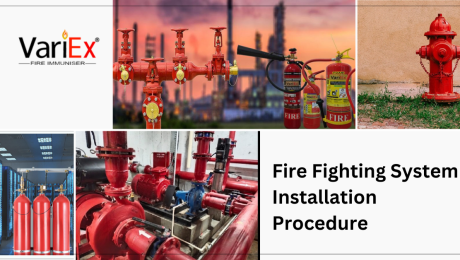
Installing fire fighting systems is crucial for safeguarding lives and property. This guide outlines the step-by-step procedure for the installation of fire suppression systems to ensure effective protection against fires.
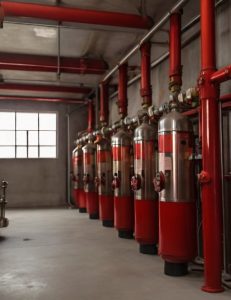
1. Preliminary Assessment:
- Conduct a thorough assessment of the property to identify potential fire hazards and determine the most suitable type of fire fighting system required.
- Consider factors such as building layout, occupancy type, and regulatory requirements.
2. Design and Planning:
- Engage with certified fire protection engineers to develop a customized fire fighting system design based on the assessment findings.
- Determine the placement of fire suppression equipment, such as sprinklers, detectors, alarms, and extinguishers, to ensure comprehensive coverage.
3. Permitting and Regulatory Compliance:
- Obtain necessary permits and approvals from local authorities before commencing installation.
- Ensure compliance with relevant building codes, fire safety standards, and regulations.
- Published in Fire Fighting System