

Fire Immuniser
+91-7829629111
Email: info@variex.in
Varistor Technologies Pvt. Ltd.
Block-1, First Floor, Ardente Office One, Hoodi Circle, ITPL Main Road, Bengaluru, Karnataka 560048, IN
Why Fire Safety Training Is Essential for Every Workplace
Why Fire Safety Training Is Essential for Every Workplace
Every year, thousands of workplace fires result in injuries, fatalities, property loss, and operational shutdowns. Yet, many of these incidents are entirely preventable through one powerful solution: fire safety training.
Whether you manage a corporate office, factory, hospital, warehouse, or retail outlet, fire safety training is essential. It equips your employees with the knowledge and skills to respond effectively in the event of a fire emergency. More importantly, it helps prevent fires from starting in the first place.
In this article, we’ll break down the core reasons why fire safety training should be a non-negotiable part of your workplace policy, outline its many benefits, and show how to implement it successfully.
What Is Fire Safety Training?
Fire safety training is a structured program that educates employees on how to:
-
Recognize fire hazards
-
Prevent fire outbreaks
-
Use firefighting equipment like extinguishers
-
Respond calmly and effectively during a fire emergency
-
Evacuate the premises safely and efficiently
Training can be delivered through on-site drills, classroom sessions, e-learning modules, or a combination of methods. It must be tailored to your specific work environment and in accordance with national safety standards like OSHA, NFPA, and local fire codes.
Key Reasons Fire Safety Training Is a Workplace Must
1. Protects Human Lives
Fire can spread in seconds, and untrained employees may panic or make poor decisions. Training prepares them to react calmly, exit safely, and potentially save others’ lives in an emergency.
2. Reduces Risk of Injury and Property Damage
Preventive training minimizes careless behavior like overloading sockets or blocking exit paths. This dramatically reduces the likelihood of fire and its consequences.
3. Ensures Legal Compliance
OSHA mandates that employers must train employees in emergency procedures and fire prevention methods. Non-compliance can result in heavy fines, lawsuits, or operational shutdowns.
4. Empowers Quick, Correct Action
Trained staff can confidently operate fire extinguishers, alert emergency services, or initiate evacuation procedures. The difference between delay and immediate action can be life-saving.
5. Boosts Overall Workplace Safety Culture
Fire safety training instills a broader awareness of workplace hazards, leading to a more alert, responsible, and safety-conscious workforce.
Table: Benefits of Fire Safety Training for Employers & Employees
| Benefit | Impact on Employees | Impact on Employers |
|---|---|---|
| Life-saving knowledge | Reduces panic and improves reaction time | Minimizes injury-related liabilities |
| Awareness of fire hazards | Promotes proactive prevention | Reduces workplace fire incidents |
| Evacuation preparedness | Ensures safe and efficient exit | Lowers insurance claims and costs |
| Use of fire equipment | Confidence in handling extinguishers | Avoids extensive property damage |
| Compliance and legal safety | Protects employee rights and welfare | Avoids OSHA fines and regulatory penalties |
| Boosted morale and confidence | Creates a safer, more secure work environment | Enhances brand reputation and operational trust |
Who Needs Fire Safety Training?
Every employee, regardless of their role, should receive basic fire safety training. However, some staff may require specialized training, such as:
-
Fire wardens or marshals
-
Maintenance teams working with flammable materials
-
IT and server room staff dealing with electrical equipment
-
Warehouse and logistics personnel handling chemicals or combustibles
-
Kitchen staff in commercial food preparation settings
How Often Should Fire Safety Training Be Conducted?
Training should not be a one-time event. Fire hazards evolve, new employees join, and existing staff may forget critical procedures.
Here’s a general training schedule:
| Training Type | Frequency |
|---|---|
| Basic fire safety for all staff | Upon hiring and annually thereafter |
| Fire extinguisher usage | Every 12 months |
| Fire evacuation drills | Every 6 months (or quarterly in high-risk zones) |
| Fire marshal refresher training | Annually or as required by local regulations |
What Should Fire Safety Training Include?
A quality fire safety training program should cover the following:
-
Understanding the Fire Triangle: Fuel, oxygen, and heat
-
Common workplace fire hazards
-
How to use different types of fire extinguishers (PASS method)
-
Evacuation procedures and assembly points
-
Role of fire marshals and first responders
-
Reporting systems and emergency contacts
Additional modules may include:
-
Electrical fire safety
-
Chemical and hazardous material handling
-
Smoke and fire detection systems overview
-
Post-incident recovery protocols
Fire Safety Training in Action: Real-World Example
In 2023, a logistics company in New Jersey experienced a small electrical fire in a storage unit. Thanks to timely training just a month earlier, an employee:
-
Identified the fire quickly
-
Used the correct type of fire extinguisher (CO₂)
-
Alerted the emergency team
-
Prevented the fire from spreading to nearby flammable items
No injuries occurred, and the business resumed full operations within hours. The incident was a clear testament to the power of workplace fire training.
Online vs On-Site Fire Safety Training
| Training Type | Pros | Cons |
|---|---|---|
| Online | Flexible, scalable, cost-effective | Less hands-on practice, may lack urgency |
| On-Site | Practical, realistic drills, live Q&A | Requires scheduling, slightly higher cost |
| Hybrid | Balanced approach with theory and drills | Requires coordination between HR and safety trainers |
For best results, combine e-learning modules with real-time drills and practical extinguisher demonstrations.
How to Implement Fire Safety Training at Your Workplace
-
Assign a Safety Officer or Fire Marshal
Designate someone to manage all training and drills. -
Partner with Certified Trainers
Hire qualified fire safety experts for program development and delivery. -
Customize the Training to Your Facility
Include layout-specific escape routes and fire risk zones. -
Use Visual Aids and Demonstrations
Include signage, infographics, videos, and live extinguisher use. -
Document All Training Activities
Keep records for OSHA audits and future reference. -
Review and Refresh Training Annually
Update your training content as per evolving risks and standards.
Penalties for Not Providing Fire Safety Training
Non-compliance with OSHA’s fire safety training requirements can lead to:
-
Fines ranging from $1,000 to $15,000 per violation
-
Temporary shutdown of operations
-
Increased insurance premiums
-
Civil liability in case of injuries or fatalities
Beyond financial consequences, the reputational damage of neglecting employee safety can be long-lasting.
Conclusion
Fire safety training is not just a legal checkbox—it’s a life-saving necessity. It prepares employees to respond effectively during emergencies, minimizes the risk of injury, and protects valuable property and equipment.
By making fire training an ongoing priority, you create a workplace that’s not only compliant but truly fire-resilient. And in doing so, you empower your workforce with the tools and confidence to handle one of the most dangerous workplace hazards.
Don’t wait for a fire to highlight the need—train before the flames.
Frequently Asked Questions
Yes, OSHA requires all employers to provide fire safety training relevant to their workplace hazards.
Most basic sessions take 1–2 hours, with additional time for practical demonstrations or drills.
Yes, but it should be supplemented with on-site drills and practical exercises.
Pull, Aim, Squeeze, Sweep – the four key steps to operate a fire extinguisher effectively.
Maintain attendance sheets, training records, certificates, and documented drill reports for compliance audits.
Buy Fire Extinguishers Online ----------------------
Check Our Complete Fire Extinguishers Price List.

Final Say
At VariEx.in and VariexOnline.com, we specialize in supplying and installing top-quality fire fighting systems and equipment. From fire extinguishers to advanced suppression systems, we offer comprehensive solutions tailored to your needs. Our experienced team ensures precise installation and maintenance for optimal safety.
Trust VariEx for reliable fire protection. Contact us online or call 7829629111 to learn more.
We specialize in manufacturing, supplying, and distributing a comprehensive range of fire fighting equipment, including state-of-the-art fire extinguishers. Read our most searched blogs and find interesting information on topics such as how to use a fire extinguisher, how to calculate fire fighting water tank capacity, fire extinguisher refilling, obtaining a Fire NOC, understanding fire fighting systems, types of fire protection systems, the fire hydrant system, and the fire sprinkler system. These resources provide essential knowledge for ensuring safety and compliance with fire safety regulations. Additionally, you can explore guides on the maintenance of fire protection equipment, the latest advancements in fire safety technology, and best practices for fire risk assessment and management.
Our expertise extends to fire alarm systems, fire hydrant systems, and fire suppression systems, including fire sprinklers. Each product meets rigorous international standards for reliability and performance, ensuring effective fire safety products tailored to diverse applications and industries. Additionally, we are providing Fire Extinguisher Refilling and AMC services to ensure ongoing maintenance and operational readiness of fire safety equipment.
"WHAT YOU CAN READ NEXT"
 Read more +24 November 2023 in Fire Extinguisher
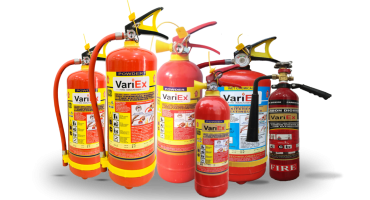
What types of fire extinguishers are available for different fire classes?
 Read more +09 February 2026 in Fire Extinguisher
Fire Extinguisher Near Me: Find Trusted Dealers and Certified Services
 Read more +28 January 2026 in ABC Fire Extinguisher, CO2 Fire Extinguisher, Fire Extinguisher, Fire Fighting System, Fire Safety Equipment