

- HOME
- CORPORATE
- PORTFOLIO
- PRODUCTS
- SERVICES
- CLIENTS
- CONTACT US
- MORE

Fire Immuniser
+91-7829629111
Email: info@variex.in
Varistor Technologies Pvt. Ltd.
Block-1, First Floor, Ardente Office One, Hoodi Circle, ITPL Main Road, Bengaluru, Karnataka 560048, IN
What Is Use Of R1 In Fire Alarm
What Is Use Of R1 In Fire Alarm
Fire alarm systems are essential for safeguarding lives and assets by providing timely alerts in case of fire emergencies. They integrate various components such as detectors, control panels, and alarm devices to detect smoke, heat, or flames and trigger notifications.
What Is Use Of R1 in Fire Alarm Systems?
Fire alarm systems play a critical role in ensuring the safety of lives and property by detecting and alerting occupants of potential fire hazards. Among the various components in a fire alarm system, the R1 designation often sparks curiosity. R1 typically refers to a relay or resistor integrated into the system, contributing to its functionality and reliability. This article delves into the significance of R1 in fire alarm systems, exploring its purpose, applications, and advantages.
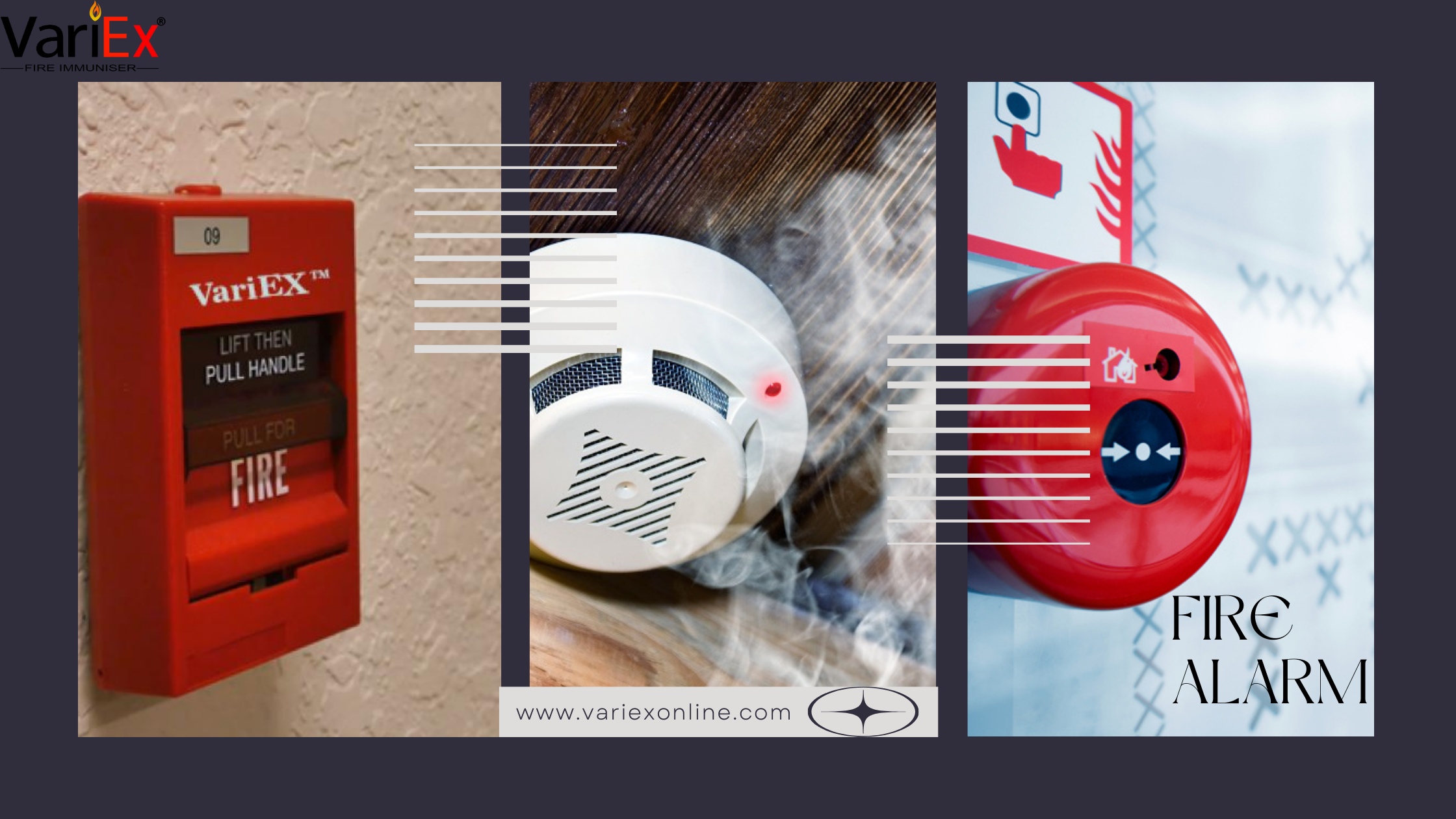 Key Components of a Fire Alarm System
Understanding the broader structure of fire alarm systems helps contextualize the role of specific elements like R1. Here are the main components:
Fire Detectors
Fire detectors identify fire signatures such as heat, smoke, or flames and send signals to the control panel.
Alarm Control Panel
The brain of the system, the control panel processes inputs and activates outputs, coordinating the fire alarm response.
Notification Appliances
These include sirens, strobe lights, and speakers to alert building occupants.
Power Supply Units
Ensures the system remains operational during power outages, often including backup batteries.
Understanding the Role of Relays in Fire Alarm Systems
Relays are pivotal in fire alarm systems, serving as switches that manage electrical circuits. They allow one circuit to control another without direct electrical contact.
What Are Relays?
A relay is an electromagnetic switch that opens and closes circuits. In fire alarm systems, they are used to interface with auxiliary devices.
Types of Relays Used in Fire Alarms
- Electromechanical relays: Operate through magnetic induction.
- Solid-state relays: Use semiconductors for switching.
What Is R1 in Fire Alarm Systems?
R1, often a relay or resistor, is a component in fire alarm systems designed to perform specific auxiliary functions. It may control outputs, isolate circuits, or enable communication between system components. Its designation and functionality depend on the fire alarm manufacturer's design and the system's configuration.
Functions of R1 in Fire Alarms
R1’s role is multifaceted, contributing to both operational efficiency and safety. Key functions include:
Relay-Based Operations
R1 as a relay facilitates interactions between the fire alarm system and external devices like fans, elevators, or emergency lights.
Signal Isolation
R1 can isolate electrical signals, protecting sensitive components from voltage spikes or surges.
Load Management
R1 helps manage electrical loads by activating only when required, reducing the strain on the system.
Types of R1 Configurations in Fire Alarms
R1 configurations vary based on the type of fire alarm system:
Conventional Systems
In conventional fire alarm systems, R1 may serve as a zone-specific relay to trigger alarms or auxiliary devices.
Addressable Systems
In addressable systems, R1 integrates with advanced control mechanisms, enabling precise responses for specific locations.
Technical Specifications of R1
The technical aspects of R1, including its voltage rating, current capacity, and resistance values, are vital for ensuring compatibility and performance. These specifications are often outlined in the system's technical manual.
R1 in Advanced Fire Alarm Systems
Smart Relays
Modern fire alarm systems utilize smart relays for enhanced automation, allowing R1 to adapt its functionality based on real-time inputs.
Integration with IoT Systems
R1 in IoT-enabled fire alarms can communicate with cloud platforms, offering remote monitoring and control.
Common Applications of R1 in Fire Alarm Systems
R1 plays a significant role in various auxiliary functions, such as:
Elevator Recall Systems
R1 triggers elevator recalls to prevent their use during a fire.
HVAC Shutdown
R1 interfaces with HVAC systems to shut them down, preventing the spread of smoke and fire.
Door Release Mechanisms
R1 controls electromagnetic door locks, facilitating safe evacuation routes.
How R1 Enhances Safety and Reliability
The inclusion of R1 ensures that fire alarm systems operate seamlessly and respond effectively to emergencies. Its relay and isolation capabilities enhance both safety and reliability.
Installation and Maintenance Considerations for R1
Proper installation of R1 is critical for its performance. Regular maintenance, including testing and cleaning, ensures its long-term functionality.
Challenges and Limitations of R1
Complexity in Integration
R1’s installation may require expert knowledge, especially in advanced systems.
Risk of Malfunction
Faulty relays can disrupt system operations, emphasizing the need for high-quality components and periodic testing.
Troubleshooting R1 Issues in Fire Alarm Systems
Common issues with R1 include:
- Failure to activate auxiliary devices
- Signal interference
- Voltage fluctuations
Troubleshooting involves inspecting wiring, testing relay function, and replacing defective parts.
Compliance and Standards Related to R1
R1 and other components must comply with standards such as NFPA 72 (National Fire Alarm and Signaling Code) and other local regulations to ensure safety and reliability.
Future Trends in Fire Alarm Technology and R1’s Role
Emerging trends include the integration of AI, IoT, and advanced sensors. R1’s role is expected to expand with these innovations, supporting more sophisticated system responses.
Conclusion
R1 in fire alarm systems is a vital component that ensures effective communication between the main system and auxiliary devices. Its applications in managing loads, isolating signals, and enhancing safety make it indispensable. As fire alarm technology evolves, R1’s role will likely grow, adapting to new challenges and innovations in safety and automation.



Final Say
At VariEx.in and VariexOnline.com, we specialize in supplying and installing top-quality fire fighting systems and equipment. From fire extinguishers to advanced suppression systems, we offer comprehensive solutions tailored to your needs. Our experienced team ensures precise installation and maintenance for optimal safety.
Trust VariEx for reliable fire protection. Contact us online or call 7829629111 to learn more.
"WHAT YOU CAN READ NEXT"
 Read more +24 November 2023 in Fire Extinguisher
What types of fire extinguishers are available for different fire classes?
 Read more +02 May 2026 in Fire Extinguisher
Class B Fire Extinguisher Uses, Types, Price & Buying Guide
 Read more +30 April 2026 in ABC Fire Extinguisher, AMC Services, CO2 Fire Extinguisher, Fire Extinguisher, Fire Fighting System, FIre Hydrant, Fire Safety Equipment, Fire Safety Equipment