
- HOME
- CORPORATE
- PORTFOLIO
- PRODUCTS
- SERVICES
- CLIENTS
- CONTACT US
- MORE

Fire Immuniser
+91-7829629111
Email: info@variex.in
Varistor Technologies Pvt. Ltd.
Block-1, First Floor, Ardente Office One, Hoodi Circle, ITPL Main Road, Bengaluru, Karnataka 560048, IN
What Is Fire Suppression System And How Does It Works?
Fire suppression systems are multifaceted solutions designed to combat fires swiftly and effectively. Here's a more detailed look into how these systems operate and the various components involved.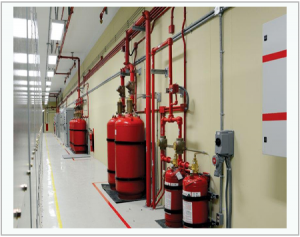
1. Detection Methods:
- Fire suppression systems rely on advanced detection methods to identify the presence of fire. These methods include:
- Smoke Detection: Smoke detectors use optical or ionization sensors to detect the presence of smoke particles in the air, signaling a potential fire.
- Heat Detection: Heat detectors activate when temperatures rise above a predetermined threshold, indicating the presence of fire or extreme heat.
- Flame Detection: Flame detectors utilize specialized sensors to detect the presence of flames, providing additional confirmation of a fire event.
2. Alarm Activation:
- Upon detection of a fire, the suppression system triggers audible and visual alarms to alert occupants to evacuate the premises immediately.
- Modern fire alarm systems may also incorporate voice evacuation capabilities, providing clear instructions to occupants during an emergency.
3. Suppression Agents:
- Fire suppression systems utilize various agents to extinguish or control fires. Common suppression agents include:
- Water: Sprinkler systems discharge water onto the fire, cooling the flames and extinguishing the fire.
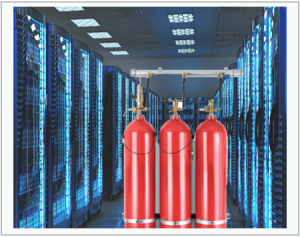
- Inert Gases: Gaseous suppression systems release inert gases such as nitrogen or argon to displace oxygen and suffocate the fire.
- Chemical Agents: Chemical suppression agents disrupt the chemical reactions that sustain combustion, effectively extinguishing the fire.
- Foam: Foam suppression systems generate foam by mixing foam concentrate with water, forming a blanket that suppresses flammable liquid fires.
4. System Activation:
- Depending on the type of suppression system, activation may be automatic or manual:
- Automatic Activation: Most suppression systems are designed to activate automatically upon detection of a fire, minimizing response time and reducing the risk of fire spread.
- Manual Activation: In some cases, occupants may have the option to manually activate the suppression system using pull stations or manual release mechanisms.
5. System Integration:
- Fire suppression systems can be integrated with other building systems for enhanced functionality and coordination:
- Integration with Fire Alarm Systems: Suppression systems are often interconnected with fire alarm systems to ensure synchronized activation and evacuation procedures.
- Building Management System Integration: Integration with building management systems allows for remote monitoring and control of suppression system functions.
- Occupant Notification Systems: Suppression systems may incorporate occupant notification features to provide real-time alerts and instructions during fire emergencies.
6. Maintenance and Testing:
- Regular maintenance and testing are essential to ensure the reliability and effectiveness of fire suppression systems:
- Inspection: Routine inspections by qualified technicians ensure that all components of the suppression system are in working order and free from defects.
- Testing: Periodic testing of detection and suppression functions verifies system integrity and response capabilities.
- Maintenance: Scheduled maintenance tasks, such as sensor cleaning, valve testing, and system recalibration, help optimize system performance and extend service life.
In conclusion, fire suppression systems are sophisticated solutions that combine advanced detection technologies, suppression agents, and system integration to provide comprehensive fire protection. By understanding the intricacies of these systems and investing in proper maintenance and testing, building owners can ensure the safety and security of their occupants and assets in the event of a fire emergency.


Frequently Asked Questions
A fire suppression system is a specialized mechanism designed to detect, suppress, and extinguish fires in buildings and facilities. It operates by utilizing various detection methods to identify the presence of fire and then deploying suppression agents, such as water, gases, or chemicals, to control and extinguish the fire.
Fire suppression systems are capable of extinguishing various types of fires, including Class A (ordinary combustibles like wood and paper), Class B (flammable liquids and gases), and Class C (electrical fires). The type of suppression agent used depends on the specific type of fire and the system's design.
Fire suppression systems can be designed for automatic or manual activation, depending on the specific requirements of the building or facility. Automatic systems activate automatically upon detection of a fire, while manual systems require intervention by building occupants or trained personnel to activate.
Fire suppression systems should undergo regular inspections, testing, and maintenance as per manufacturer recommendations and regulatory requirements. Typically, inspections are conducted annually, with additional testing performed periodically to ensure system integrity and functionality.
Yes, fire suppression systems can be integrated with other building systems, such as fire alarm systems, building management systems, and occupant notification systems, to enhance functionality and coordination during fire emergencies. Integration ensures synchronized activation and efficient evacuation procedures.
Final Say
We at VariEx.in or Variexonline.com have mastered the art of designing, installing, inspecting, and fixing automatic sprinkler systems with the help of our in-house team, which is capable of delivering the fire sprinkler services you need, whether large or small and at affordable cost.
To schedule a fire sprinkler installation, or you think our services could benefit your commercial property, contact us online or give us a call at, 7829629111
"WHAT YOU CAN READ NEXT"
 Read more +24 November 2023 in Fire Extinguisher
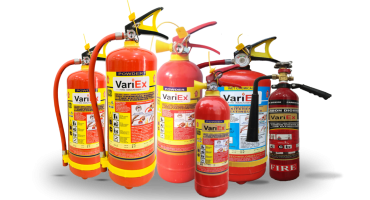
What types of fire extinguishers are available for different fire classes?
 Read more +02 May 2026 in Fire Extinguisher
Class B Fire Extinguisher Uses, Types, Price & Buying Guide
 Read more +30 April 2026 in ABC Fire Extinguisher, AMC Services, CO2 Fire Extinguisher, Fire Extinguisher, Fire Fighting System, FIre Hydrant, Fire Safety Equipment, Fire Safety Equipment