
- HOME
- CORPORATE
- PORTFOLIO
- PRODUCTS
- SERVICES
- CLIENTS
- CONTACT US
- MORE

Fire Immuniser
+91-7829629111
Email: info@variex.in
Varistor Technologies Pvt. Ltd.
Block-1, First Floor, Ardente Office One, Hoodi Circle, ITPL Main Road, Bengaluru, Karnataka 560048, IN
What Are The Main Components Of Fire Fighting System?
Fire fighting systems are crucial for protecting lives and property by detecting, containing, and extinguishing fires effectively. These systems consist of several key components working together to provide comprehensive fire protection. Below are the main components of a fire fighting system.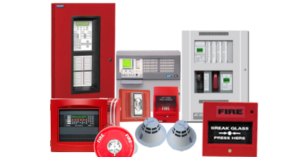
1. Fire Detection Systems:
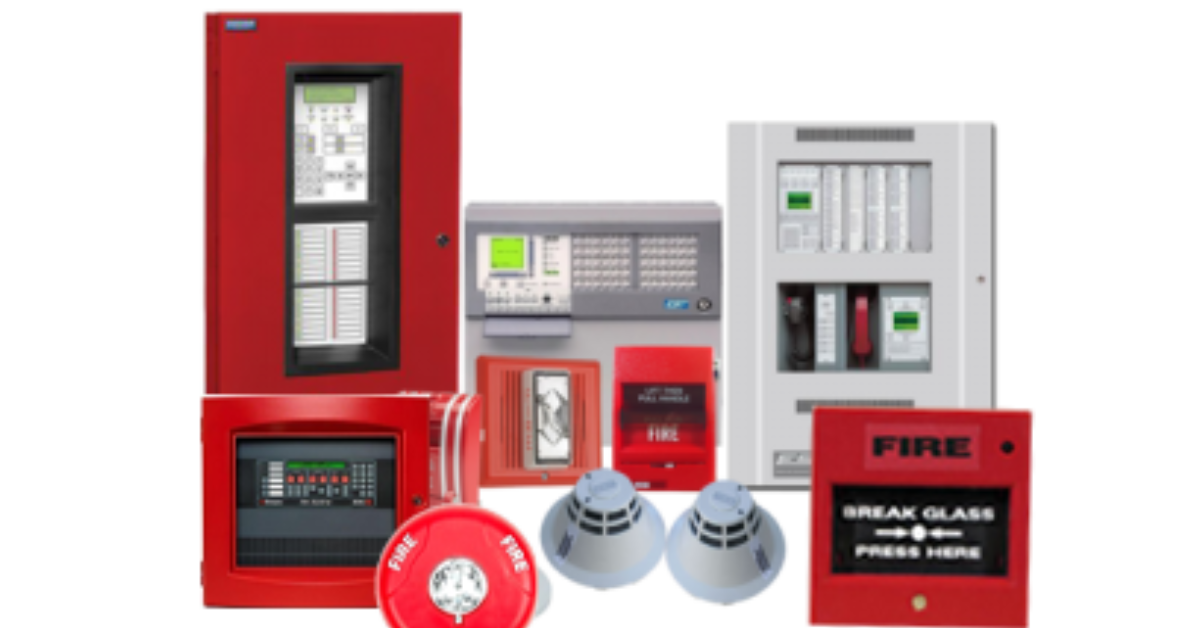
- Fire detection systems are designed to identify the presence of fire or smoke in a building. They typically include smoke detectors, heat detectors, flame detectors, and fire alarm control panels.
- Smoke detectors use optical or ionization sensors to detect smoke particles in the air, triggering an alarm when smoke is detected.
- Heat detectors activate alarms when a predetermined temperature threshold is exceeded, indicating the presence of fire.
- Flame detectors use sensors to detect the presence of flames and activate alarms accordingly.
- Fire alarm control panels receive signals from detectors and activate audible and visual alarms to alert occupants to evacuate.
2. Fire Suppression Systems: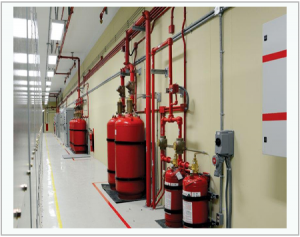
- Fire suppression systems are designed to extinguish or control fires once they are detected. There are several types of fire suppression systems, including:
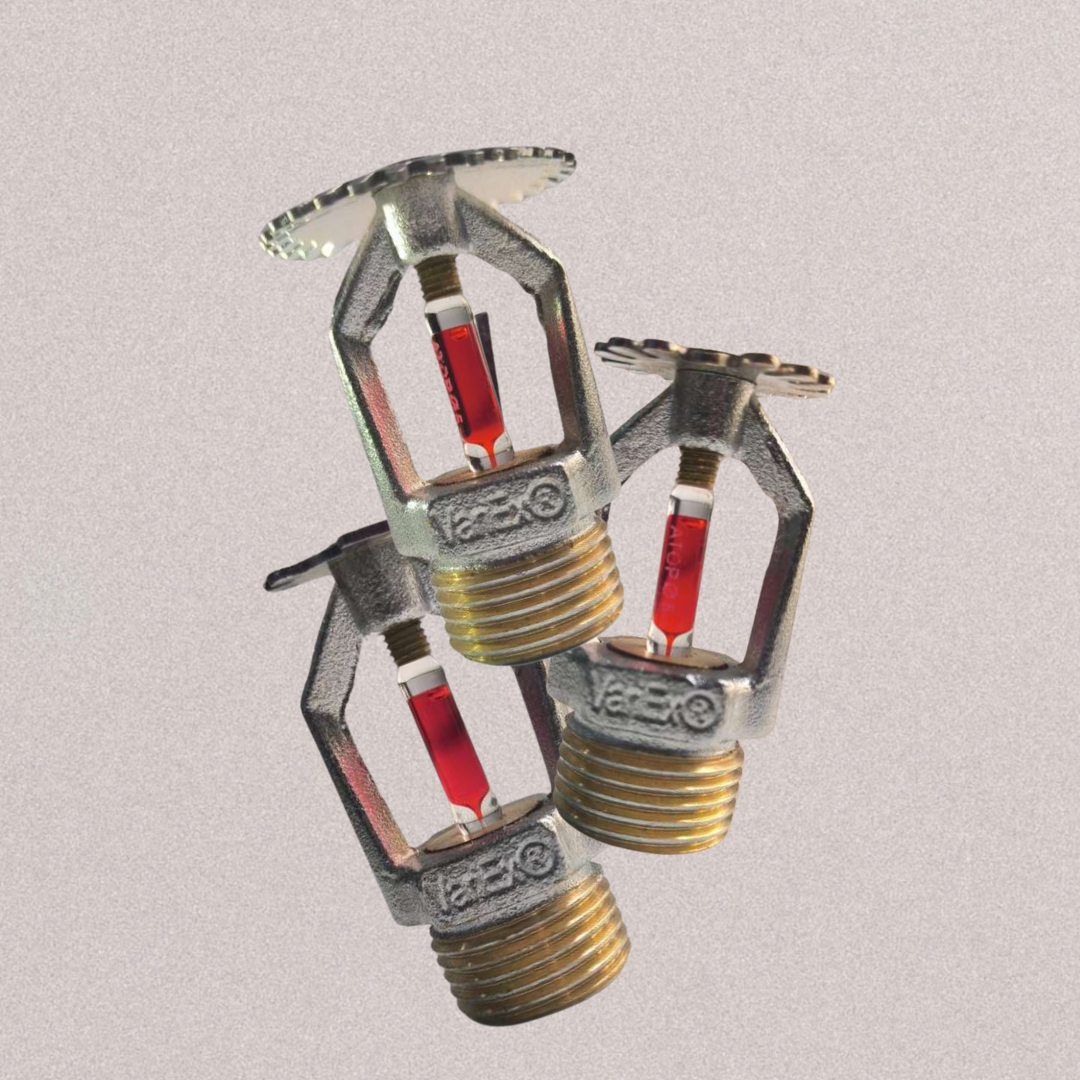
- Sprinkler Systems: Sprinkler systems consist of a network of pipes with sprinkler heads strategically placed throughout the building. When heat from a fire activates a sprinkler head, water is released to suppress the fire.
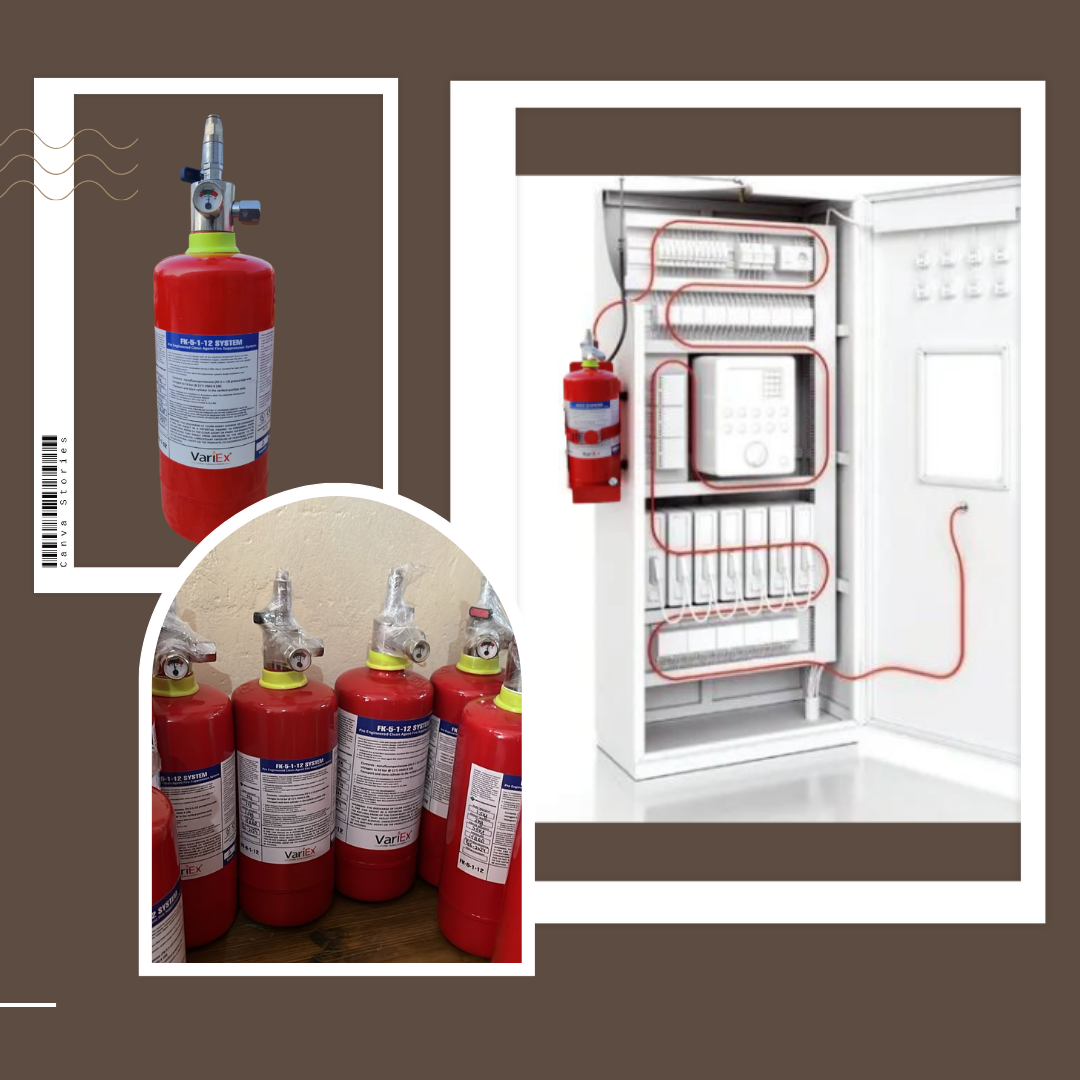
- Gaseous Suppression Systems: These systems use inert gases or chemical agents to extinguish fires by displacing oxygen or inhibiting the chemical reactions that sustain combustion. Examples include CO2 systems and clean agent systems like FM-200.
- Foam Systems: Foam systems combine foam concentrate with water to create a foam blanket that suppresses flammable liquid fires by smothering the flames and cooling the fuel surface.
3. Fire Extinguishers: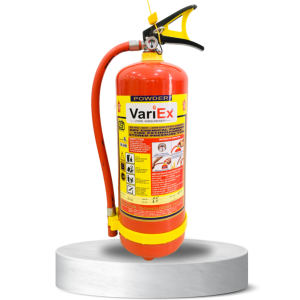
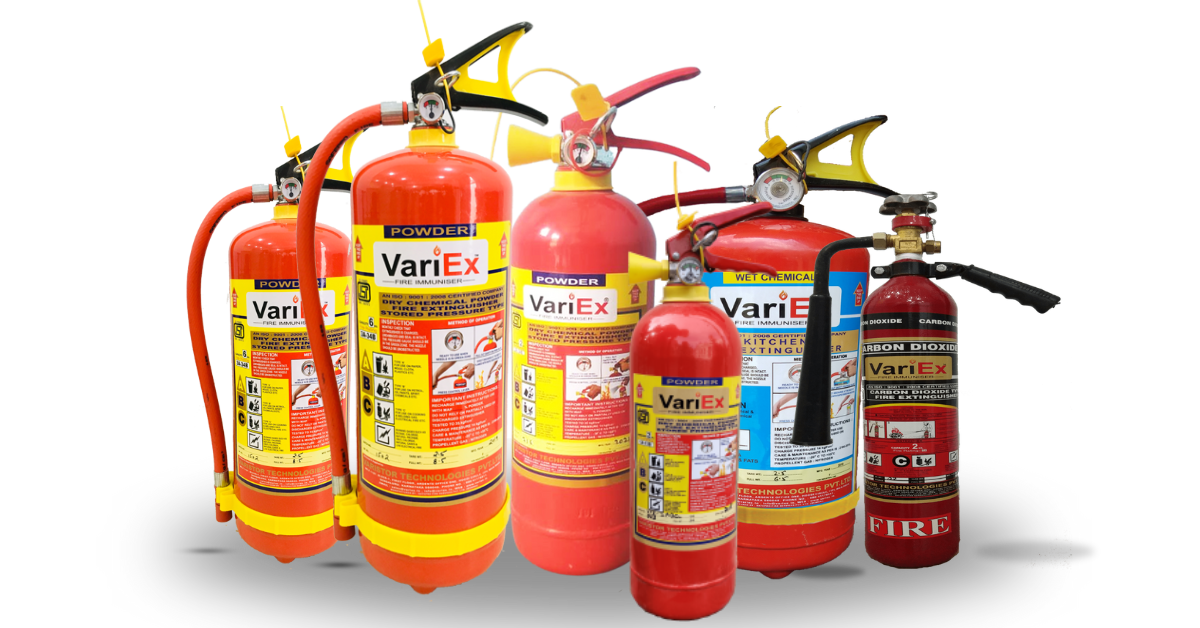
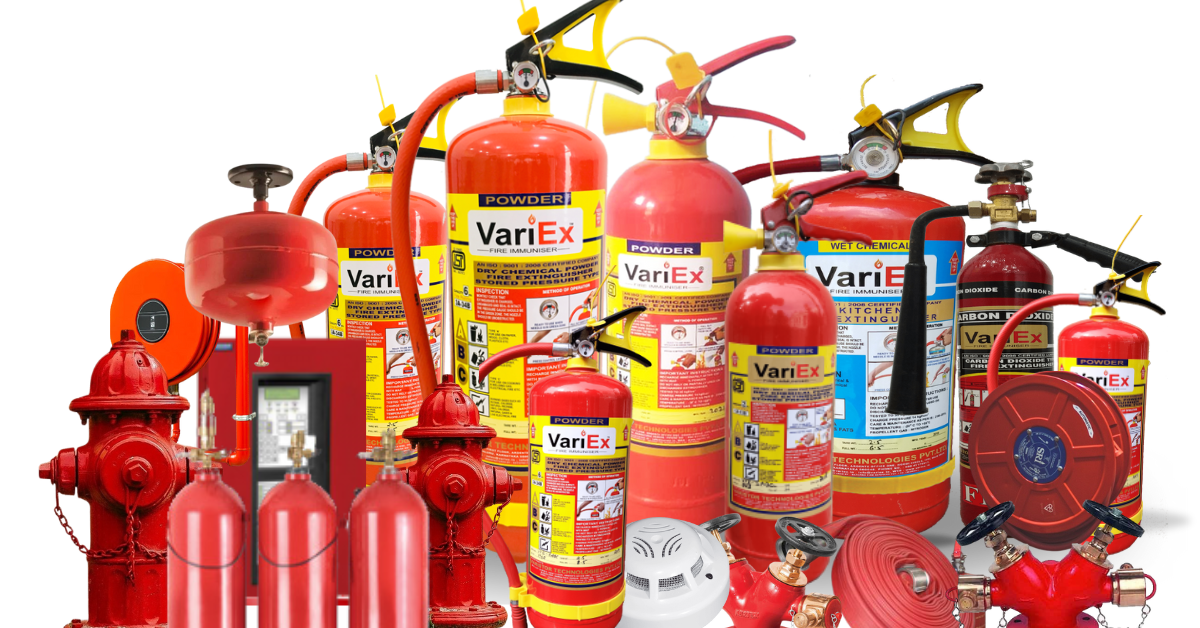
- Fire extinguishers are portable devices used to extinguish small fires or control fires in their early stages. They come in various types, including water extinguishers, dry chemical extinguishers, CO2 extinguishers, and foam extinguishers, each suitable for different types of fires.
4. Emergency Lighting and Exit Signs:
- Emergency lighting and exit signs are essential for guiding occupants to safety during a fire emergency. They provide illumination along escape routes, such as corridors, stairwells, and exits, ensuring visibility even in low-light conditions or during power outages.
5. Fire Hose Reels and Standpipes:
- Fire hose reels and standpipes provide a ready source of water for firefighting purposes. They are typically installed in strategic locations throughout the building, allowing firefighters to access water quickly and efficiently to combat fires.
6. Fire Alarm System:
- The fire alarm system serves as the central control unit for the fire detection and alarm components of the fire fighting system. It receives signals from detectors and activates audible and visual alarms to alert occupants and emergency responders to the presence of a fire.
7. Fire Doors and Fire-rated Partitions:
- Fire doors and fire-rated partitions are designed to prevent the spread of fire and smoke within a building. They are constructed of fire-resistant materials and are equipped with self-closing mechanisms to seal off compartments and contain fires.
8. Fire Safety Signage and Instructions:
- Fire safety signage, such as evacuation route signs, fire assembly point signs, and fire extinguisher location signs, provide vital information to occupants during a fire emergency. Clear instructions and signage help facilitate safe and orderly evacuation procedures.
In summary, fire fighting systems comprise a combination of detection, suppression, evacuation, and containment components designed to detect, control, and mitigate the impact of fires. By integrating these components effectively, buildings can enhance their fire safety measures and minimize the risk of fire-related incidents.


Frequently Asked Questions
A fire fighting system is a combination of equipment and measures designed to detect, suppress, and mitigate fires in buildings and facilities. It is essential for protecting lives, property, and assets by providing early detection and intervention during fire emergencies.
The main components of a fire fighting system include fire detection systems (smoke detectors, heat detectors), fire suppression systems (sprinklers, gaseous suppression systems), fire extinguishers, emergency lighting and exit signs, fire alarm systems, fire doors, and fire safety signage.
Fire detection systems use sensors to detect the presence of fire or smoke in a building. Smoke detectors, heat detectors, and flame detectors are commonly used components that trigger alarms when they detect signs of fire.
Fire suppression systems include sprinkler systems, gaseous suppression systems (e.g., CO2, FM-200), foam systems, and water mist systems. Each type of system is designed to extinguish or control fires using different methods and agents.
Yes, fire extinguishers are essential for providing additional fire-fighting capability, especially for small fires or emergencies in specific areas where suppression systems may not be effective. They serve as a first line of defense before the fire department arrives.
Explore our products Range
Final Say
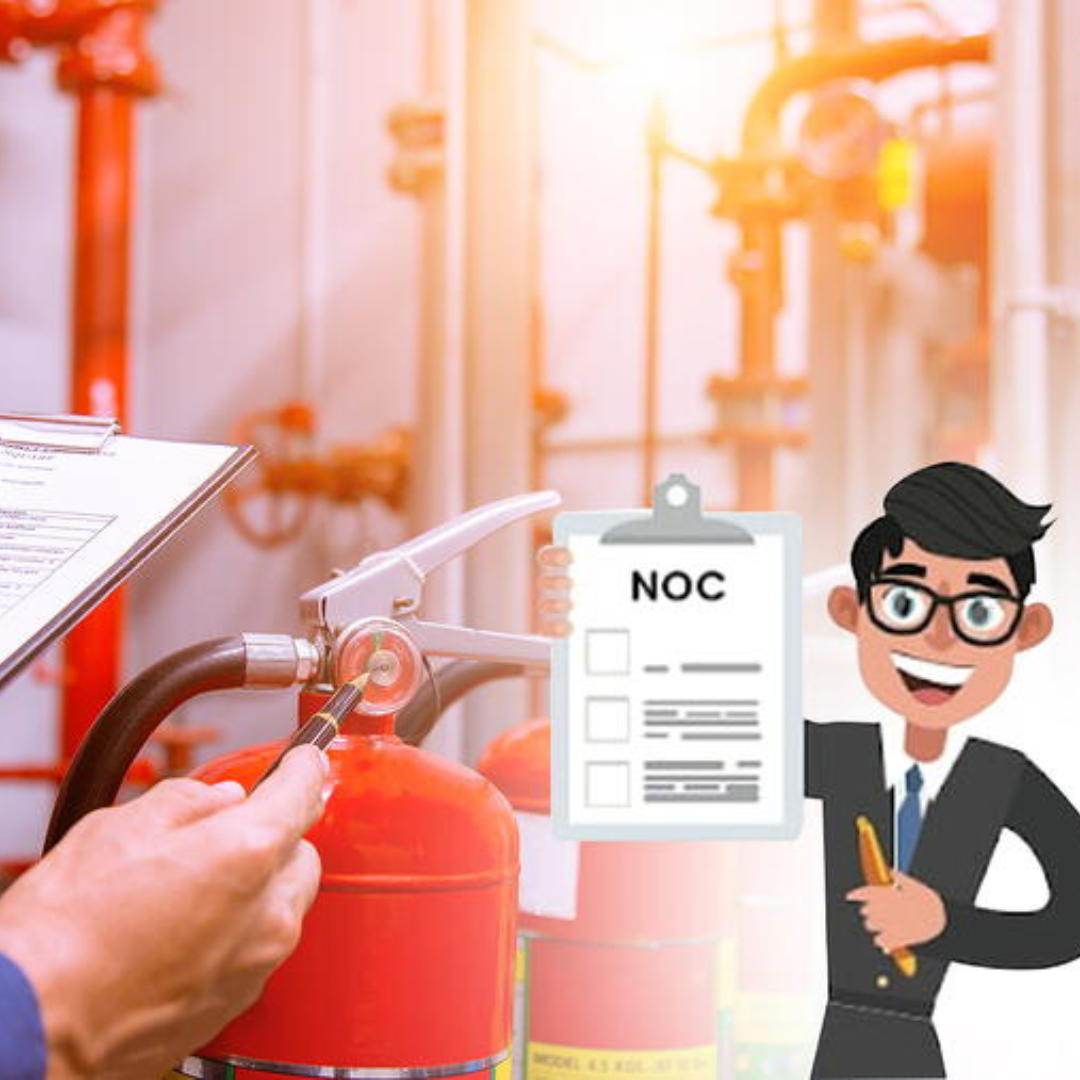
We at VariEx.in or Variexonline.com have mastered the art of designing, installing, inspecting, and fixing automatic sprinkler systems with the help of our in-house team, which is capable of delivering the fire sprinkler services you need, whether large or small and at affordable cost.
To schedule a fire sprinkler installation, or you think our services could benefit your commercial property, contact us online or give us a call at, 7829629111
"WHAT YOU CAN READ NEXT"
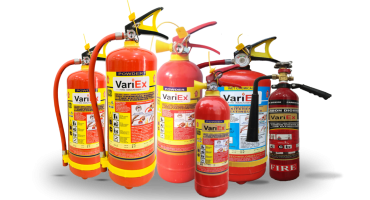 Read more +24 November 2023 in Fire Extinguisher
What types of fire extinguishers are available for different fire classes?
 Read more +02 May 2026 in Fire Extinguisher
Class B Fire Extinguisher Uses, Types, Price & Buying Guide
 Read more +30 April 2026 in ABC Fire Extinguisher, AMC Services, CO2 Fire Extinguisher, Fire Extinguisher, Fire Fighting System, FIre Hydrant, Fire Safety Equipment, Fire Safety Equipment