
- HOME
- CORPORATE
- PORTFOLIO
- PRODUCTS
- SERVICES
- CLIENTS
- CONTACT US
- MORE

Fire Immuniser
+91-7829629111
Email: info@variex.in
Varistor Technologies Pvt. Ltd.
Block-1, First Floor, Ardente Office One, Hoodi Circle, ITPL Main Road, Bengaluru, Karnataka 560048, IN
How To Conduct An Emergency Mock Drill
How To Conduct An Emergency Mock Drill
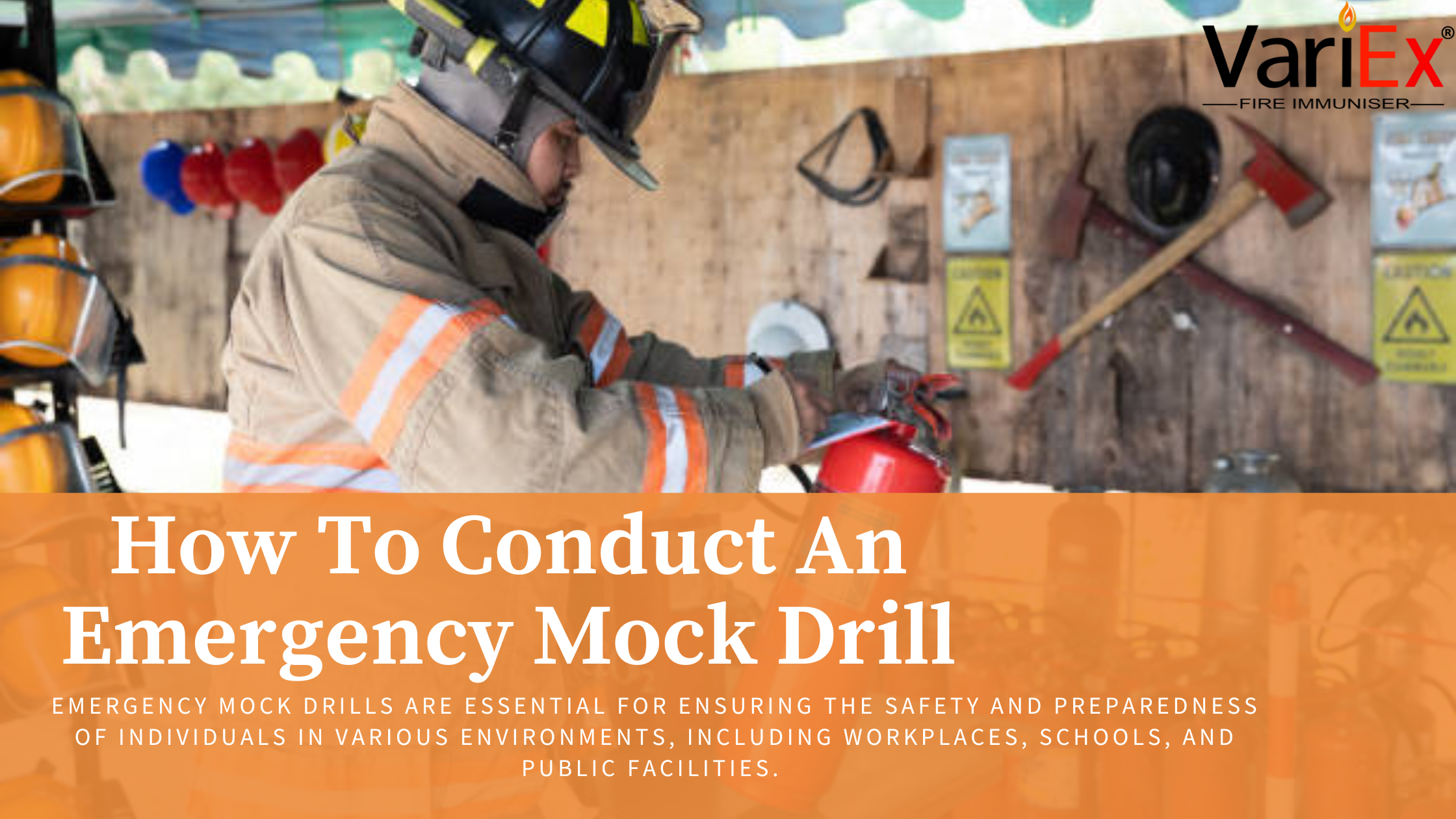
Emergency mock drills are essential for ensuring the safety and preparedness of individuals in various environments, including workplaces, schools, and public facilities. These drills simulate real-life emergencies, such as fires, earthquakes, or security threats, allowing participants to practice their response. Properly conducted mock drills can save lives, reduce injuries, and ensure compliance with safety regulations. This guide provides a detailed overview of planning, executing, and evaluating emergency mock drills to enhance safety and readiness.
Understanding the Importance of Emergency Mock Drills
Emergency mock drills are vital for several reasons:
- Preparedness: They help individuals know how to react quickly and correctly during actual emergencies, reducing the likelihood of panic and confusion.
- Regulatory Compliance: Many industries and institutions are required by law to conduct regular emergency drills to comply with safety standards and regulations.
- Risk Mitigation: Regular drills identify potential weaknesses in emergency procedures and allow for improvements, thus reducing the risk of injury and damage.
- Training and Awareness: Drills provide practical training, keeping safety procedures fresh in everyone’s minds, and raising awareness about potential hazards.
Types of Emergency Mock Drills
The type of emergency mock drill conducted will depend on the specific risks and environment. Common types of drills include:
- Fire Drills: Practicing the evacuation and response to fire alarms and fire-related emergencies.
- Earthquake Drills: Simulating responses to seismic activity, such as taking cover and safely evacuating if necessary.
- Lockdown Drills: Preparing for situations where security threats require locking down the facility to prevent harm.
- Medical Emergency Drills: Training on how to respond to medical emergencies, including the use of first aid and calling emergency services.
- Chemical Spill Drills: Procedures for containing and responding to hazardous material spills, relevant in industrial and laboratory settings.
- Natural Disaster Drills: Preparing for emergencies like floods, hurricanes, or tornadoes, which may require specific actions for safety.
Pre-Drill Preparation
1. Develop an Emergency Response Plan
An effective emergency response plan is the foundation of successful mock drills:
- Emergency Procedures: Detail the steps to follow for each type of emergency, including evacuation, shelter-in-place, or lockdown protocols.
- Roles and Responsibilities: Assign specific roles, such as emergency coordinators, fire wardens, first responders, and communication officers.
- Evacuation Routes: Clearly define and mark routes for safe evacuation, ensuring all exits are accessible.
- Assembly Points: Designate safe assembly areas where individuals should gather after evacuating.
- Emergency Contacts: Maintain updated lists of emergency contacts, including local emergency services and key personnel.
2. Form an Emergency Planning Team
Create a team responsible for planning and overseeing emergency preparedness:
- Team Members: Include representatives from management, safety officers, security personnel, and employees or students.
- Responsibilities: Develop, implement, and regularly review the emergency response plan and drill procedures.
3. Conduct Risk Assessments
Identify potential hazards and assess risks specific to your environment:
- Hazard Identification: Determine possible emergency scenarios, such as fire hazards, chemical risks, or security threats.
- Risk Evaluation: Assess the likelihood and impact of each hazard, prioritizing those with the highest risk.
4. Train Participants
Training is essential to ensure everyone knows what to do during an emergency:
- General Training: Provide training sessions on emergency procedures for all participants, including employees, students, or residents.
- Role-Specific Training: Train individuals assigned to specific roles, such as fire wardens or first aid responders, on their responsibilities.
- Scenario-Based Training: Use scenario-based training to simulate different types of emergencies and practice appropriate responses.
5. Communicate with Stakeholders
Inform all relevant parties about the planned drills:
- Internal Communication: Notify employees, students, or residents about the drill, explaining its purpose and the procedures to follow.
- External Communication: Coordinate with local emergency services, such as fire departments or police, to inform them of the drill and seek their input if necessary.
- Public Communication: For public facilities, inform visitors and the general public about upcoming drills to prevent unnecessary alarm.
6. Schedule the Drill
Choose an appropriate time to conduct the drill:
- Timing: Schedule the drill during regular hours to simulate realistic conditions. Consider minimizing disruption to operations or academic activities.
- Confidentiality: Keep the exact timing of the drill confidential to ensure a realistic response and to test the effectiveness of procedures.
Conducting the Drill
1. Initiate the Drill
Start the drill by activating the emergency signal, such as a fire alarm, public address announcement, or emergency alert system. Ensure that all participants recognize the signal and understand its meaning.
2. Execute the Emergency Procedures
- Follow Procedures: Participants should follow the established emergency procedures, including evacuation routes, shelter-in-place instructions, or lockdown protocols.
- Communication: Maintain clear communication throughout the drill to keep everyone informed and provide instructions as needed.
3. Monitor the Drill
Assign observers to monitor and evaluate the drill’s effectiveness:
- Timing: Record how long it takes to complete key tasks, such as evacuating the building or securing areas.
- Compliance: Ensure that participants follow procedures correctly, using designated routes and assembly points.
- Challenges: Note any obstacles or issues encountered during the drill, such as blocked exits or confusion about procedures.
4. Assemble and Account for Everyone
After the drill, ensure that all participants are accounted for:
- Head Count: Conduct a head count at the assembly points to verify that everyone has safely evacuated or followed the procedure.
- Reporting: Report any missing individuals or issues to emergency personnel or drill coordinators.
Post-Drill Evaluation
1. Debrief with Participants
Hold a debriefing session to gather feedback from participants and observers:
- Feedback: Discuss what went well during the drill and identify any areas for improvement.
- Concerns: Address any concerns or confusion experienced by participants during the drill.
2. Analyze Drill Performance
Evaluate the overall effectiveness of the drill by reviewing:
- Performance Metrics: Assess the time taken to complete evacuation or emergency procedures and adherence to the plan.
- Procedure Adherence: Determine how well participants followed the established emergency procedures and protocols.
3. Identify Areas for Improvement
Based on feedback and performance analysis, identify areas where improvements are needed:
- Training Needs: Determine if additional training is necessary for specific roles or all participants.
- Procedure Revisions: Revise emergency procedures and protocols to address any identified weaknesses or issues.
- Equipment Checks: Ensure that emergency equipment, such as alarms, extinguishers, or communication devices, is functional and accessible.
4. Update Emergency Plans
Make necessary updates to the emergency response plan based on the drill evaluation:
- Plan Revisions: Modify procedures, roles, or evacuation routes as needed.
- Communication: Inform participants of any changes to the emergency response plan and conduct additional training if required.
5. Schedule Follow-Up Drills
Regularly schedule follow-up drills to maintain preparedness and address any new issues:
- Frequency: Conduct drills at least once a year or more frequently if required by regulations or organizational policy.
- Ongoing Training: Continue to provide regular training sessions to keep participants informed and prepared.
Legal and Regulatory Considerations
Ensure that your drills comply with local, state, and federal regulations:
- Regulatory Requirements: Follow legal requirements for the frequency and type of drills specific to your industry or facility.
- Documentation: Keep detailed records of drills, including dates, times, participants, and any issues encountered.
- Certifications: Obtain necessary certifications or approvals from regulatory bodies and ensure that emergency plans meet current safety standards.
Conclusion
Conducting emergency mock drills is crucial for ensuring the safety and preparedness of individuals in various environments. By following the steps outlined in this guide, you can effectively plan, execute, and evaluate mock drills that enhance emergency preparedness. Regular practice, combined with ongoing training and continuous improvement, will help create a safer environment and reduce the risk of harm during real emergencies.

Frequently Asked Questions
Emergency mock drills are essential because they prepare individuals to respond effectively during real-life emergencies, such as fires, natural disasters, or security threats. By practicing emergency procedures, people can minimize panic, reduce the risk of injuries, and ensure a coordinated and safe response. Mock drills also help identify weaknesses in emergency plans and ensure compliance with safety regulations.
The frequency of emergency mock drills depends on the type of facility and specific regulations. Generally, it is recommended to conduct drills at least once a year. However, certain industries, such as healthcare and education, may require more frequent drills (e.g., quarterly or bi-annually). Regular drills ensure that everyone remains familiar with emergency procedures and can respond quickly and effectively.
Mock drills should cover a variety of potential emergencies relevant to the specific environment. Common types include:
- Fire Drills: Practicing evacuation and fire response procedures.
- Earthquake Drills: Preparing for seismic events by practicing "Drop, Cover, and Hold On" and safe evacuation.
- Lockdown Drills: Simulating responses to security threats, such as intruders.
- Medical Emergency Drills: Responding to health crises with first aid and emergency services.
- Chemical Spill Drills: Containing and managing hazardous material spills, particularly in industrial settings.
Participants should receive thorough training before conducting a mock drill. This includes:
- General Safety Training: Overview of emergency procedures, evacuation routes, and safety protocols.
- Role-Specific Training: Instruction for designated roles, such as fire wardens, first responders, or communication officers.
- Practice Sessions: Conduct practice runs to familiarize participants with the steps they need to take during a drill.
- Communication: Inform participants about the importance of the drill and what to expect, while keeping the exact timing confidential to maintain realism.
After conducting a mock drill, it’s essential to evaluate its effectiveness and identify areas for improvement:
- Debriefing Session: Gather feedback from participants and observers to discuss what went well and what could be improved.
- Performance Analysis: Review the drill’s timing, adherence to procedures, and any challenges encountered.
- Plan Updates: Revise the emergency response plan based on the feedback and evaluation results.
- Additional Training: Provide further training if gaps or misunderstandings are identified during the drill.
- Documentation: Keep detailed records of the drill, including participants, procedures followed, and any issues for future reference and compliance.
Buy Fire Extinguishers Online ----------------------
Check Our Complete Fire Extinguishers Price List.

Final Say
At VariEx.in and VariexOnline.com, we specialize in supplying and installing top-quality fire fighting systems and equipment. From fire extinguishers to advanced suppression systems, we offer comprehensive solutions tailored to your needs. Our experienced team ensures precise installation and maintenance for optimal safety.
Trust VariEx for reliable fire protection. Contact us online or call 7829629111 to learn more.
We specialize in manufacturing, supplying, and distributing a comprehensive range of fire fighting equipment, including state-of-the-art fire extinguishers. Read our most searched blogs and find interesting information on topics such as how to use a fire extinguisher, how to calculate fire fighting water tank capacity, fire extinguisher refilling, obtaining a Fire NOC, understanding fire fighting systems, types of fire protection systems, the fire hydrant system, and the fire sprinkler system. These resources provide essential knowledge for ensuring safety and compliance with fire safety regulations. Additionally, you can explore guides on the maintenance of fire protection equipment, the latest advancements in fire safety technology, and best practices for fire risk assessment and management.
Our expertise extends to fire alarm systems, fire hydrant systems, and fire suppression systems, including fire sprinklers. Each product meets rigorous international standards for reliability and performance, ensuring effective fire safety products tailored to diverse applications and industries. Additionally, we are providing Fire Extinguisher Refilling and AMC services to ensure ongoing maintenance and operational readiness of fire safety equipment.
"WHAT YOU CAN READ NEXT"
 Read more +24 November 2023 in Fire Extinguisher
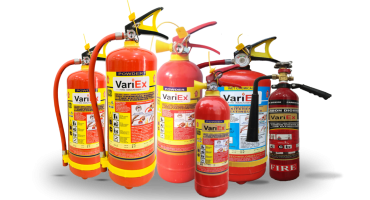
What types of fire extinguishers are available for different fire classes?
 Read more +02 May 2026 in Fire Extinguisher
Class B Fire Extinguisher Uses, Types, Price & Buying Guide
 Read more +30 April 2026 in ABC Fire Extinguisher, AMC Services, CO2 Fire Extinguisher, Fire Extinguisher, Fire Fighting System, FIre Hydrant, Fire Safety Equipment, Fire Safety Equipment