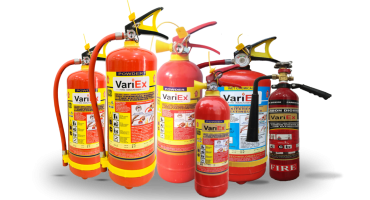
Fire extinguishers are one of the most important safety tools used to control small fires before they become dangerous. They are commonly installed in homes, offices, factories, and commercial buildings to provide immediate protection during fire emergencies. However, many people assume that once a fire extinguisher is installed, it will work forever. This is why checking the fire extinguisher expiry date is extremely important for maintaining fire safety.
In this guide, we will explain how to find the fire extinguisher expiry date, how long different types of extinguishers last, and the warning signs that indicate it may be time for replacement.
Do Fire Extinguishers Expire?
Yes, fire extinguishers do run out of time. The chemicals, seals, and pressure systems inside can break down over time. In this case, the fire extinguisher might not work or might not be able to put out a fire.
Fire Extinguisher Expiry Date Based on Type
| Fire Extinguisher Type |
Typical Lifespan |
Note |
| ABC Dry Powder Extinguisher |
5 – 12 years |
Requires periodic refilling and servicing |
| CO₂ Fire Extinguisher |
10 – 15 years |
Longer lifespan due to pressurized gas cylinder |
| Foam Fire Extinguisher |
5 – 10 years |
A foam agent may degrade over time |
| Water Fire Extinguisher |
5 – 10 years |
Needs regular maintenance and inspection |
| Clean Agent Extinguisher |
10 – 12 years |
Used for electrical and sensitive equipment areas |
Where to Check the Fire Extinguisher Expiry Date
You can find the fire extinguisher expiry date by checking a few key areas on the extinguisher:
-
Manufacturing Date: Printed on the cylinder or label and used to estimate the lifespan.
-
Service Tag: Shows the inspection and maintenance history.
-
Pressure Gauge: Indicates whether the extinguisher still has proper pressure.
Signs Your Fire Extinguisher Needs Replacement
Common warning signs include:
-
Low or high pressure on the gauge
-
Rust or corrosion on the cylinder
-
Broken safety seal or pin
-
Cracked or damaged hose
-
Leakage or powder residue near the nozzle
How Often Should Fire Extinguishers Be Inspected?
Regular inspection ensures fire extinguishers remain ready to use.
-
Monthly Inspection: Check the pressure gauge, safety pin, and ensure the extinguisher is easily accessible.
-
Annual Servicing: A qualified technician should inspect the extinguisher once a year.
-
Hydrostatic Testing: Pressure testing is usually required every 5–12 years, depending on the extinguisher type.
What Happens If You Use an Expired Fire Extinguisher?
Using an expired fire extinguisher can be dangerous. The equipment may fail when you need it most.
-
The extinguisher may not discharge
-
Reduced fire suppression effectiveness
-
Internal pressure failure
-
Leakage of extinguishing chemicals
What to Do If Your Fire Extinguisher Has Expired
If the fire extinguisher expiry date has passed, take action immediately:
-
Refilling: Some extinguishers can be serviced and refilled by certified technicians.
-
Replacement: Old or damaged extinguishers should be replaced with new ones.
-
Safe Disposal: Expired units should be disposed of through authorized fire safety providers.
Why Checking Fire Extinguisher Expiry Date Is Important
Regular maintenance helps:
-
Prevent equipment failure
-
Improve home and workplace safety
-
Ensure compliance with fire safety regulations
Conclusion
Checking the fire extinguisher expiry date is a simple but critical step in maintaining fire safety. Regular inspections, proper maintenance, and timely replacement ensure that your extinguisher will work when it matters most.
Because in a fire emergency, a working fire extinguisher can make the difference between a small incident and a major disaster.