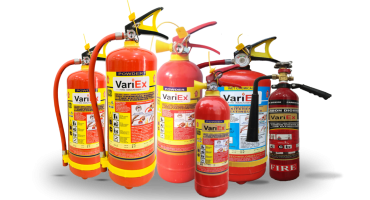
Dry Chemical Powder (DCP) fire extinguishers are one of the most widely used fire extinguishers due to their versatility and effectiveness in combating various types of fires. These extinguishers use a specially formulated powder to extinguish flames by interrupting the chemical reaction of the fire. This article explores the uses, advantages, types, and maintenance of DCP fire extinguishers.
What Are DCP Fire Extinguishers?
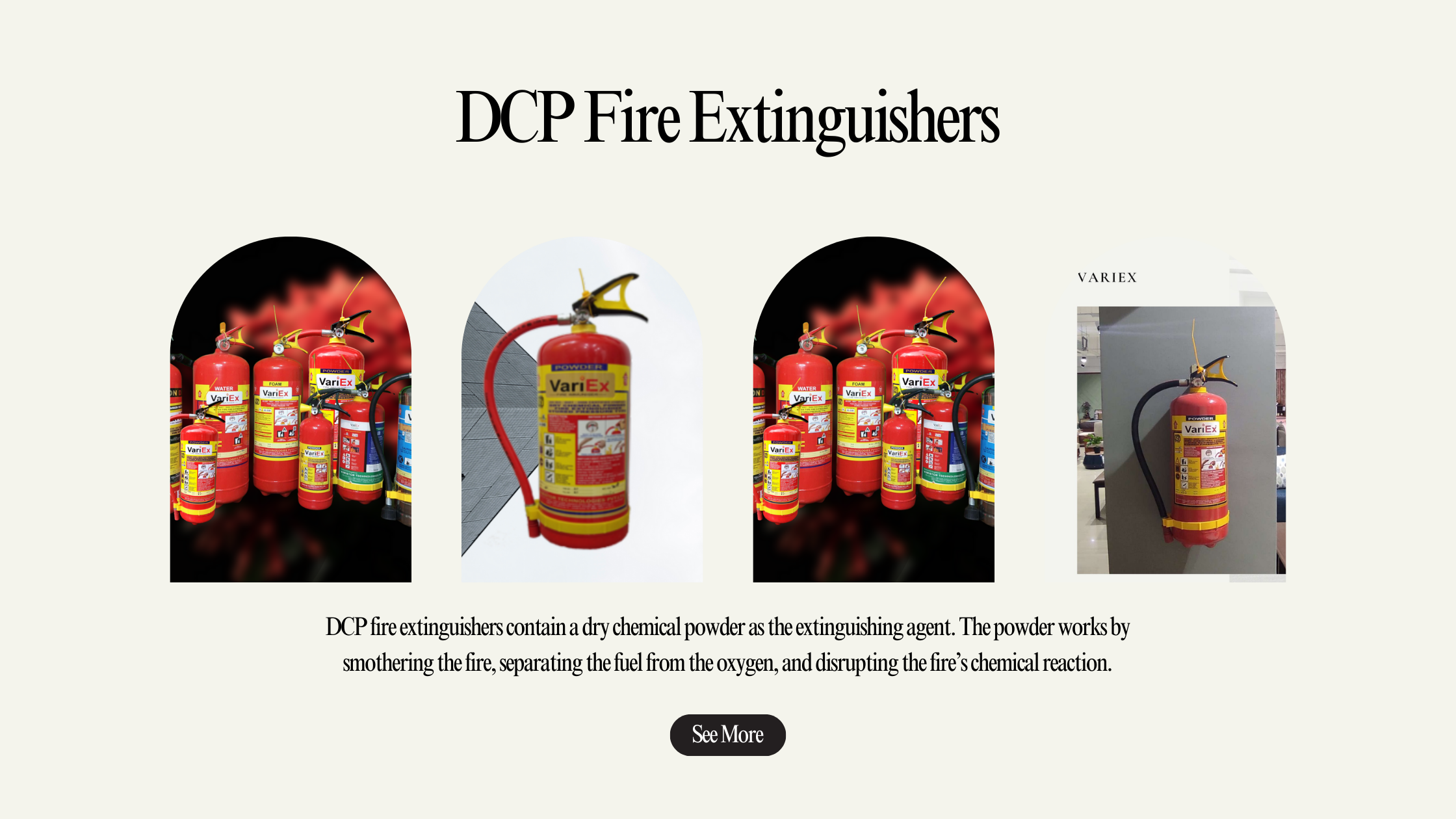
DCP fire extinguishers contain a dry chemical powder as the extinguishing agent. The powder works by smothering the fire, separating the fuel from the oxygen, and disrupting the fire’s chemical reaction. This makes them effective for combating fires in residential, commercial, and industrial settings.
Common Powder Types:
- Monoammonium Phosphate: Effective on Class A, B, and C fires.
- Sodium Bicarbonate: Primarily for Class B and C fires.
- Potassium Bicarbonate: Known for high effectiveness against liquid and gas fires.
Types of Fires DCP Fire Extinguishers Can Combat
DCP fire extinguishers are versatile and can tackle multiple classes of fires:
1. Class A Fires:
- Fires involving solid combustibles like wood, paper, and textiles.
- The powder creates a barrier that suppresses combustion and prevents re-ignition.
2. Class B Fires:
- Fires caused by flammable liquids such as oil, gasoline, and solvents.
- The powder interrupts the chemical reaction and smothers the flames.
3. Class C Fires:
- Fires involving flammable gases and energized electrical equipment.
- DCP extinguishers are non-conductive, making them safe for electrical fires.
Not Suitable For:
- Class D fires (combustible metals) and Class K fires (cooking oils and fats).
Uses of DCP Fire Extinguishers
DCP fire extinguishers are suitable for a wide range of environments due to their ability to handle different fire types:
1. Residential Settings:
- Ideal for use in homes to tackle fires involving furniture, curtains, or small appliances.
2. Commercial Spaces:
- Offices, retail stores, and warehouses use DCP extinguishers to manage common fire risks.
3. Industrial Applications:
- Widely used in factories and chemical plants where flammable liquids and gases are common.
4. Vehicle Safety:
- Essential in cars, trucks, and fuel stations to address fires caused by oil or gasoline leaks.
5. Construction Sites:
- Suitable for sites where flammable materials and electrical equipment are present.
Advantages of DCP Fire Extinguishers
DCP fire extinguishers offer several advantages, making them a popular choice for diverse applications:
1. Multi-Purpose Use:
- Can handle Class A, B, and C fires, providing comprehensive fire safety coverage.
2. Quick Suppression:
- Extinguishes fires rapidly, minimizing damage and protecting lives.
3. Non-Conductive:
- Safe for use on electrical fires, as the powder is non-conductive.
4. Wide Availability:
- Readily available in various sizes and models, suitable for portable or fixed installation.
5. Cost-Effective:
- Affordable to purchase and maintain, offering high value for its versatility.
Limitations of DCP Fire Extinguishers
Despite their effectiveness, DCP extinguishers have some limitations:
1. Residue:
- The powder can leave a residue that may damage sensitive equipment or require extensive cleanup.
2. Limited for Class D and K Fires:
- Not suitable for fires involving combustible metals or cooking oils.
3. Obstructed Visibility:
- The powder discharge can create a cloud, reducing visibility during use.
How to Use DCP Fire Extinguishers
Using a DCP fire extinguisher effectively requires following the PASS Method:
Step-by-Step Guide:
- Pull the Pin:
- Remove the safety pin to unlock the extinguisher.
- Aim the Nozzle:
- Direct the nozzle at the base of the fire to target the source.
- Squeeze the Handle:
- Press the handle to release the dry chemical powder.
- Sweep Side to Side:
- Move the nozzle from side to side, covering the entire fire area until the flames are extinguished.
Maintenance of DCP Fire Extinguishers
Regular maintenance ensures the reliability and effectiveness of DCP fire extinguishers:
1. Monthly Inspections:
- Check for physical damage, pressure levels, and intact seals.
2. Annual Servicing:
- Have the extinguisher professionally inspected and serviced annually.
3. Hydrostatic Testing:
- Conduct periodic pressure testing of the extinguisher cylinder as recommended by the manufacturer.
4. Powder Replenishment:
- Refill the extinguisher after use or when the powder level is low.
5. Proper Storage:
- Store in a dry, cool location away from direct sunlight or corrosive substances.
Advanced Features of DCP Fire Extinguishers
Modern DCP fire extinguishers come with features that enhance their functionality:
1. Corrosion-Resistant Materials:
- Cylinders are often made of stainless steel or coated materials to prevent corrosion.
2. Pressure Indicators:
- Built-in pressure gauges ensure the extinguisher is always ready for use.
3. Multiple Discharge Options:
- Nozzles can deliver controlled or wide dispersal of the powder.
4. High-Performance Powders:
- Advanced formulations improve fire suppression speed and reduce residue.
5. Compact and Lightweight Design:
- Portable models are easy to carry and deploy during emergencies.
Applications of DCP Fire Extinguishers
DCP fire extinguishers are widely used across various industries and sectors:
1. Oil and Gas Industry:
- Essential for controlling fires caused by flammable liquids and gases.
2. Electrical Facilities:
- Used in substations and server rooms where electrical fires pose significant risks.
3. Public Buildings:
- Common in schools, hospitals, and theaters for general fire safety.
4. Transportation:
- Deployed in vehicles and ships to protect against fuel-based fires.
Comparison with Other Fire Extinguishers
| Feature |
DCP Fire Extinguishers |
CO2 Extinguishers |
Foam Extinguishers |
| Fire Classes Covered |
Class A, B, C |
Class B, C |
Class A, B |
| Residue |
Powder Residue |
None |
Foam Residue |
| Effectiveness on Electronics |
Moderate |
High |
Low |
| Environmental Impact |
Moderate |
High (Older Models) |
Low |
Conclusion
DCP fire extinguishers are a versatile and reliable fire safety solution suitable for a wide range of applications. Their ability to tackle Class A, B, and C fires, combined with their cost-effectiveness and quick suppression capabilities, makes them an essential tool for residential, commercial, and industrial settings. Understanding their uses, limitations, and maintenance requirements ensures they remain a vital part of your fire safety strategy. Investing in DCP extinguishers is a proactive step in safeguarding lives and property against fire hazards.