Fire safety is a critical aspect of safeguarding lives and property. The right fire safety products can prevent the escalation of fires, mitigate damage, and ensure compliance with safety regulations. From fire extinguishers to advanced suppression systems, these tools play an essential role in minimizing fire-related risks in residential, commercial, and industrial environments.
Types of Fire Extinguishers
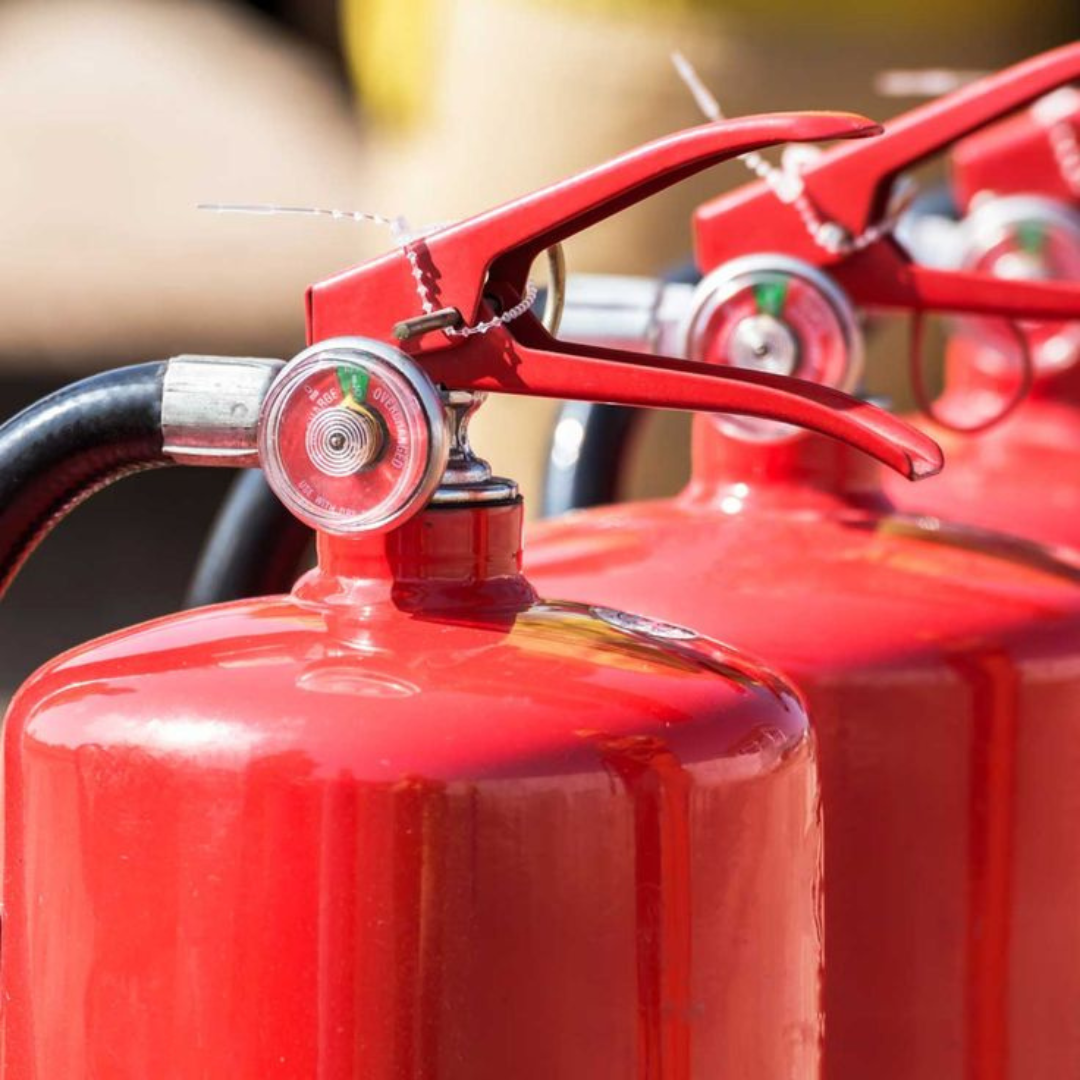
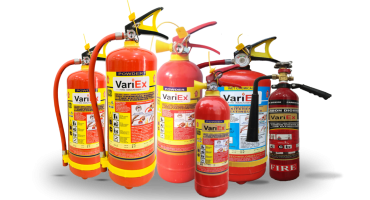
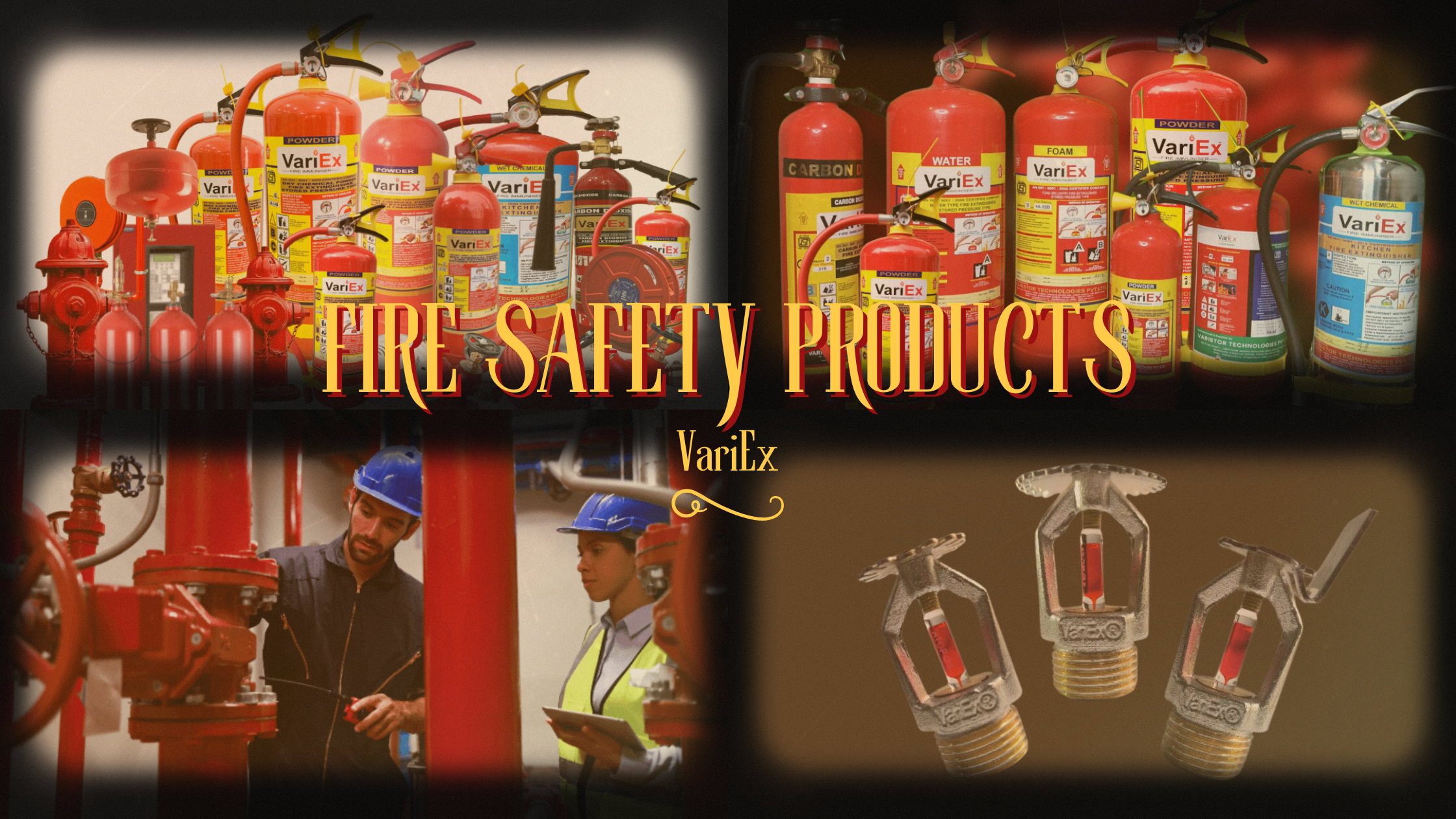
Fire extinguishers are the first line of defense in most fire scenarios. They are categorized based on the type of fire they combat:
- Class A: Ordinary combustibles like wood and paper.
- Class B: Flammable liquids such as oils and gasoline.
- Class C: Electrical fires.
- Class D: Combustible metals like magnesium.
- Class K: Cooking oils and fats.
Choosing the right extinguisher ensures effectiveness in extinguishing a specific type of fire.
ABC Fire Extinguishers
ABC fire extinguishers are versatile, multi-purpose tools effective against Class A, B, and C fires. They use mono ammonium phosphate, a dry chemical agent that extinguishes flames by smothering them. Commonly found in homes and offices, they are easy to use and suitable for most small-scale fire incidents. Regular inspection and recharging are necessary for optimal performance.
CO2 Fire Extinguishers
Carbon dioxide (CO2) fire extinguishers work by displacing oxygen, effectively suffocating the fire. These are ideal for Class B and C fires, particularly in electrical settings, as CO2 is non-conductive and leaves no residue. However, they are less effective in open or outdoor areas where the gas may dissipate quickly.
Clean Agent Fire Extinguishers
Clean agent fire extinguishers use halogenated or halocarbon agents to suppress fires. They are highly effective for sensitive environments like data centers, where water or other chemicals might damage equipment. Eco-friendly clean agents, such as HFC-236fa, are commonly used as replacements for older Halon-based extinguishers. These devices are non-corrosive and safe for electronic equipment.
Modular Fire Extinguishers
Modular fire extinguishers offer automatic deployment, making them an excellent choice for unmanned areas prone to fire risks, such as server rooms and storage facilities. These extinguishers activate upon detecting a certain level of heat or smoke, providing a hands-free, efficient solution for fire suppression.
Water Fire Extinguishers
Water fire extinguishers are cost-effective and highly efficient for combating Class A fires involving solid combustibles like wood, fabric, and paper. They work by cooling the burning material to reduce its temperature below the combustion point. However, they should not be used on electrical or flammable liquid fires due to the risk of electrical conductivity and spreading flames.
Dry Chemical Powder (DCP) Fire Extinguishers
Dry chemical powder extinguishers are versatile and capable of handling Class A, B, and C fires. The powder creates a barrier between the fuel and oxygen, stopping the combustion process. Variants like ABC powder extinguishers are widely used in industrial settings due to their effectiveness against multiple fire types.
Mechanical Foam Type Fire Extinguishers
Mechanical foam extinguishers are designed for flammable liquid fires (Class B). They create a blanket of foam that cuts off oxygen supply to the fire while cooling the surface to prevent re-ignition. These are commonly used in fuel storage areas, oil refineries, and chemical plants.
Firefighting Equipment
Firefighting equipment includes tools and accessories that aid in fire suppression and rescue efforts. Examples include:
- Fire Hoses and Nozzles: Deliver water or foam to the fire.
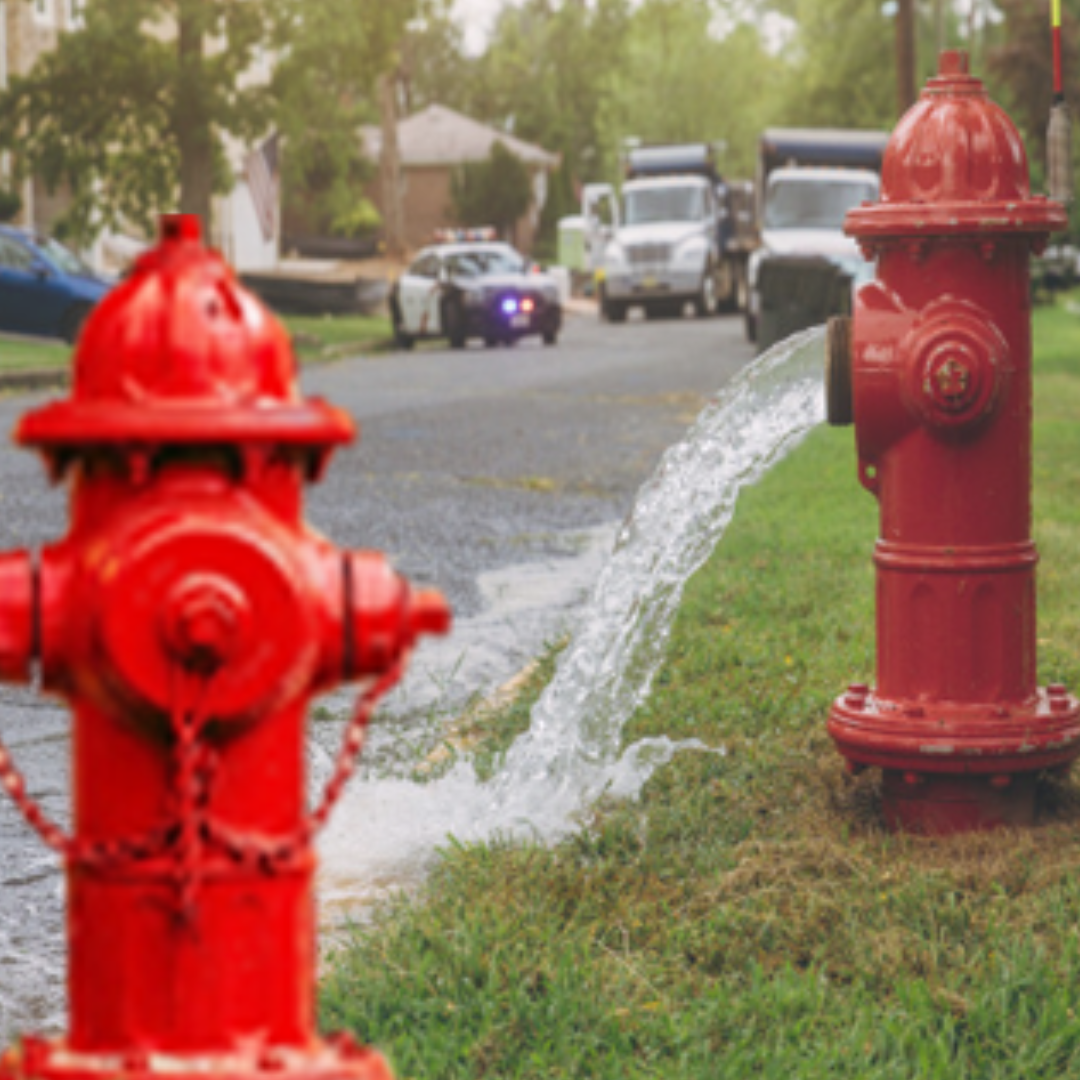
- Hydrants: Provide access to a water supply.
- Fire Blankets: Smother small fires or protect individuals during escape.
These tools are essential for equipping professional firefighters and augmenting fire safety strategies.
Fire Sprinkler Systems
Fire sprinkler systems are automated devices that activate in response to heat or smoke. Types include:
- Wet Pipe Systems: Pre-filled with water, ideal for low-temperature environments.
- Dry Pipe Systems: Filled with pressurized air, suitable for freezing conditions.
- Pre-Action Systems: Require a secondary trigger, used in museums and libraries.
- Deluge Systems: Release large volumes of water, typically for industrial sites.
Fire sprinklers reduce the spread of fire significantly, giving occupants more time to evacuate.
Fire Alarm Systems
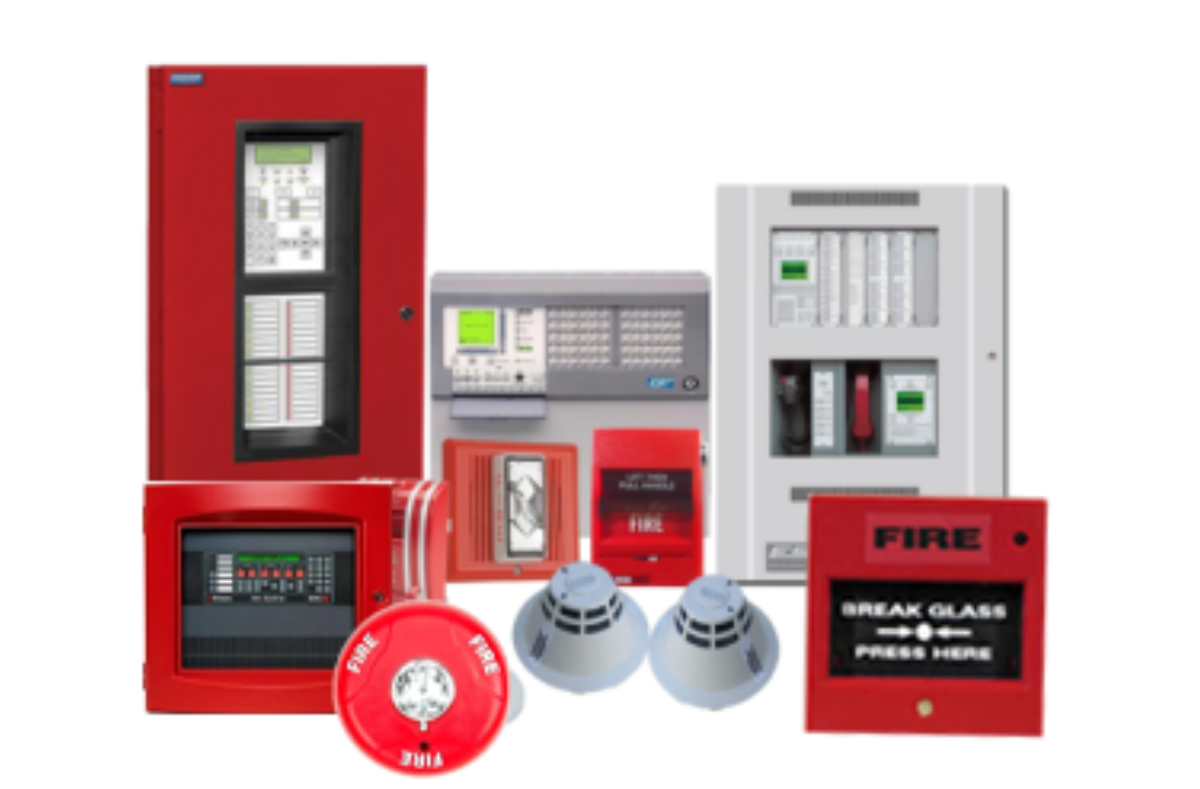
Fire alarms provide early detection and warning, allowing for prompt evacuation and response. Key components include:
- Smoke Detectors: Identify smoke particles in the air.
- Heat Sensors: Trigger alarms based on temperature changes.
- Control Panels: Centralize the monitoring and operation of alarms.
Modern systems can be addressable, pinpointing the exact location of a fire for efficient response.
Fire Suppression Systems
Fire suppression systems use chemical, gas, or foam agents to extinguish fires. Types include:
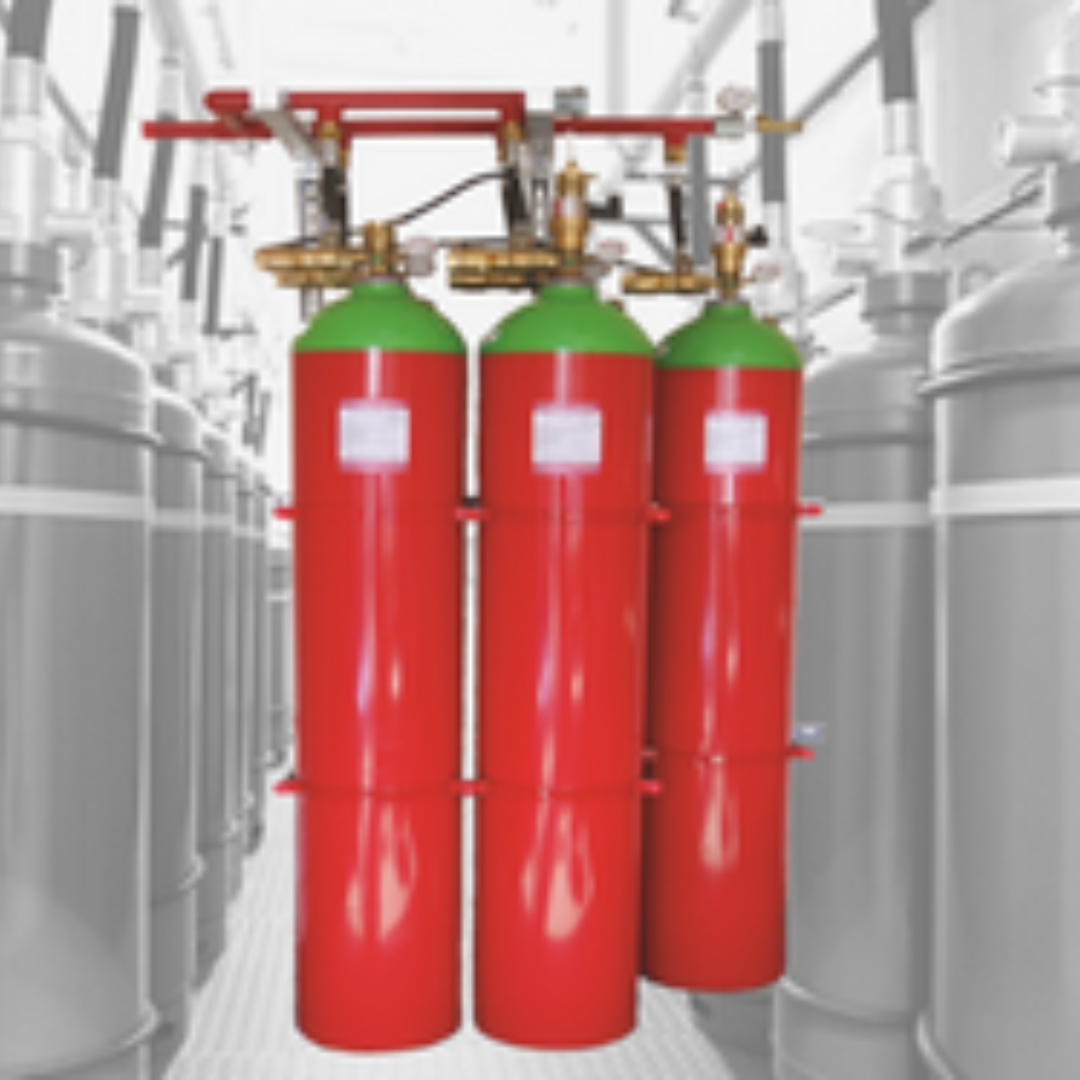
- Gas-Based Systems: Use inert gases or chemical agents to suffocate fires in sensitive areas.
- Chemical-Based Systems: Apply powders or liquids for industrial fires.
- Foam-Based Systems: Ideal for large-scale flammable liquid fires.
These systems are particularly valuable in areas like data centers, manufacturing plants, and commercial kitchens.
Choosing the Right Fire Safety Products
Selecting appropriate fire safety products depends on:
- Fire Risk Assessment: Evaluating the likelihood and type of fires.
- Building Type: Residential, commercial, or industrial.
- Compliance with Regulations: Adhering to local and international fire safety codes.
Proper assessment ensures optimal protection tailored to specific needs.
Installation and Maintenance
Professional installation ensures that fire safety products function as intended. Regular maintenance, including inspections, recharges, and testing, is crucial for reliability. User training programs can also empower individuals to operate equipment confidently during emergencies.
Emerging Technologies in Fire Safety
Advancements in technology have led to innovations like smart fire safety systems, integrating IoT and AI for enhanced detection and control. Features such as real-time monitoring, remote alerts, and predictive maintenance improve response times and system reliability.
Conclusion
Fire safety products are indispensable for preventing and controlling fires, protecting lives, and reducing property damage. Investing in a comprehensive fire safety strategy ensures preparedness and compliance with safety standards. Equip your home, office, or industrial site with the right tools to secure your future.