
- HOME
- CORPORATE
- PORTFOLIO
- PRODUCTS
- SERVICES
- CLIENTS
- CONTACT US
- MORE

Fire Immuniser
+91-7829629111
Email: info@variex.in
Varistor Technologies Pvt. Ltd.
Block-1, First Floor, Ardente Office One, Hoodi Circle, ITPL Main Road, Bengaluru, Karnataka 560048, IN
How Does A Fire Sprinkler System Work
Fire sprinkler systems are vital components of building safety infrastructure, offering automatic fire suppression capabilities to minimize property damage and safeguard lives. This comprehensive guide explores the inner workings of fire sprinkler systems, including their components, activation mechanisms, water distribution, monitoring systems, types, maintenance requirements, and environmental considerations.
-
Components and Activation Mechanism:
- Control Valve: Regulates the flow of water or suppressants into the system.
- Piping: Distributes water throughout the building.
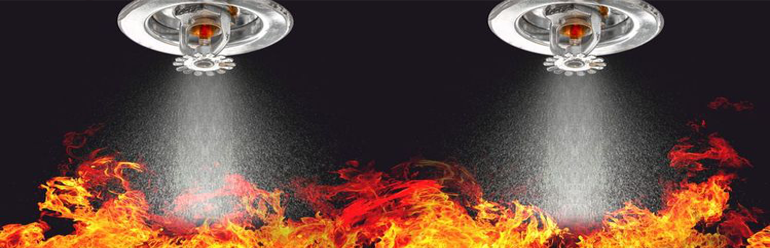
- Sprinkler Heads: Activated individually by heat, releasing water to suppress the fire.
- Activation: Heat-sensitive elements, such as glass bulbs or fusible links, trigger the release of water when temperatures rise to predetermined levels.
-
Water Distribution and Design Considerations:
- Water Supply: Relies on a steady supply from municipal mains, dedicated tanks, or natural sources.
- Design: Engineered based on building layout, occupancy, fire hazards, and local codes to achieve optimal coverage and protection.
- Types of Fire Sprinkler Systems: a. Wet Pipe Systems: Water is constantly present in the piping, suitable for most indoor environments.
b. Dry Pipe Systems: Pipes are filled with pressurized air or nitrogen, suitable for areas prone to freezing.
c. Pre-action Systems: Combines wet and dry systems, activating water flow upon detection of a fire. -
Control and Monitoring Systems:
- Control Panels: Coordinate system status, activation, and alarm signals.
- Alarm Systems: Integrated with fire detection systems to alert occupants and emergency services.
- Maintenance, Reliability, and False Alarms:
- Regular maintenance and inspections ensure system reliability and functionality.
- False Alarms: Occur due to accidental damage, mechanical failures, or environmental conditions, mitigated through advanced technologies and testing protocols.
-
Environmental Considerations and Compliance:
- Water conservation and sustainability are prioritized through low-flow designs and alternative suppression agents.
- Compliance with local building codes and fire safety standards, such as NFPA 13, ensures system effectiveness and safety.
| 1. Components and Activation Mechanism | - Control Valve: Regulates water flow. - Piping: Distributes water. - Sprinkler Heads: Activated by heat. - Activation: Heat-sensitive elements trigger water release. |
| 2. Water Distribution and Design | - Water Supply: From mains, tanks, or natural sources. - Design: Tailored to building layout, occupancy, and codes. |
| 3. Types of Fire Sprinkler Systems | a. Wet Pipe Systems: Water always in pipes. b. Dry Pipe Systems: Pipes filled with air/nitrogen. c. Pre-action Systems: Combine wet/dry, activated by fire detection. |
| 4. Control and Monitoring Systems | - Control Panels: Coordinate system status. - Alarm Systems: Integrated with fire detection for alerts. |
| 5. Maintenance, Reliability, and False Alarms | - Regular maintenance ensures reliability. - False alarms minimized through testing and advanced tech. |
| 6. Environmental Considerations and Compliance | - Water conservation and compliance with standards like NFPA 13 are essential. |
Understanding the comprehensive workings of fire sprinkler systems, from their components and activation mechanisms to maintenance requirements and environmental considerations, is crucial for effective fire protection planning and implementation. By adhering to regulatory standards, conducting regular maintenance, and incorporating advanced technologies, fire sprinkler systems serve as indispensable safeguards, minimizing property damage and protecting lives in the event of a fire emergency.



Frequently Asked Questions
A fire sprinkler system is a fire protection system designed to automatically detect and suppress fires in buildings. It consists of a network of pipes, sprinkler heads, control valves, and monitoring devices.
Fire sprinkler systems work by detecting heat from a fire and activating individual sprinkler heads in the affected area. Upon activation, water is discharged from the sprinkler heads to suppress or extinguish the fire.
Yes, fire sprinkler systems are highly effective in controlling and suppressing fires. Studies have shown that properly installed and maintained sprinkler systems can reduce property damage and save lives by extinguishing fires in their early stages.
Building codes and regulations dictate whether fire sprinkler systems are required. Generally, larger commercial and industrial buildings, as well as high-rise residential structures, are typically required to have sprinkler systems. However, many building owners choose to install sprinkler systems voluntarily for added safety.
There are several types of fire sprinkler systems, including wet pipe systems, dry pipe systems, pre-action systems, deluge systems, and foam water sprinkler systems. The choice depends on factors such as building occupancy, fire hazards, and environmental conditions.
Final Say
At VariEx.in and VariexOnline.com, we specialize in supplying and installing top-quality fire fighting systems and equipment. From fire extinguishers to advanced suppression systems, we offer comprehensive solutions tailored to your needs. Our experienced team ensures precise installation and maintenance for optimal safety.
Trust VariEx for reliable fire protection. Contact us online or call 7829629111 to learn more.
"WHAT YOU CAN READ NEXT"
 Read more +24 November 2023 in Fire Extinguisher
What types of fire extinguishers are available for different fire classes?
 Read more +02 May 2026 in Fire Extinguisher
Class B Fire Extinguisher Uses, Types, Price & Buying Guide
 Read more +30 April 2026 in ABC Fire Extinguisher, AMC Services, CO2 Fire Extinguisher, Fire Extinguisher, Fire Fighting System, FIre Hydrant, Fire Safety Equipment, Fire Safety Equipment