
- HOME
- CORPORATE
- PORTFOLIO
- PRODUCTS
- SERVICES
- CLIENTS
- CONTACT US
- MORE

Fire Immuniser
+91-7829629111
Email: info@variex.in
Varistor Technologies Pvt. Ltd.
Block-1, First Floor, Ardente Office One, Hoodi Circle, ITPL Main Road, Bengaluru, Karnataka 560048, IN
Fire Fighting System In Building
In the realm of building safety, fire fighting systems play a paramount role in safeguarding lives and property against the devastating consequences of fire outbreaks. These systems encompass a comprehensive array of equipment and measures meticulously designed and strategically installed to detect, suppress, and mitigate fires effectively. Here's a deeper exploration into the specifics of fire fighting systems in buildings.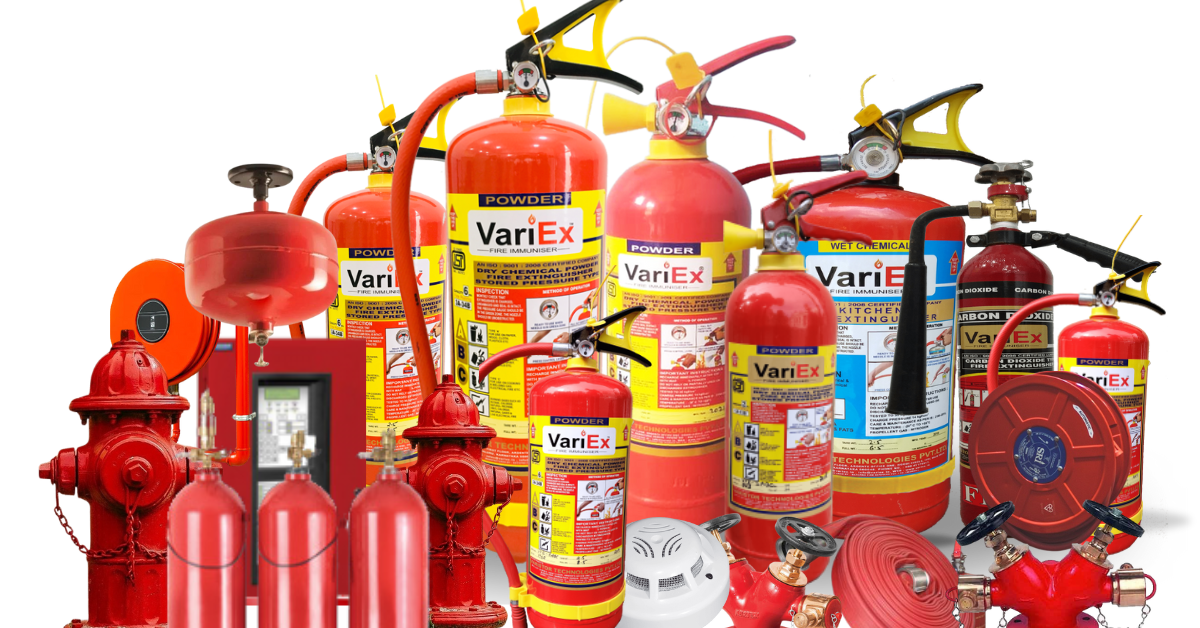
1. Importance of Fire Fighting Systems:
-
Life Safety: The primary objective of fire fighting systems is to ensure the safety of building occupants. By promptly detecting fires and initiating suppression measures, these systems facilitate timely evacuation, reducing the risk of injuries or fatalities.
-
Property Protection: Beyond life safety, fire fighting systems also serve to minimize property damage. By containing fires and preventing their spread, these systems mitigate financial losses for building owners and tenants, preserving valuable assets.
-
Regulatory Compliance: Compliance with building codes and regulations is a fundamental aspect of fire safety. Authorities mandate the installation of fire fighting systems in various types of buildings to meet minimum safety standards and reduce the risk of fire-related incidents.
-
Insurance Requirements: Insurance providers often require the installation of fire fighting systems as a condition for coverage. Implementing these systems demonstrates proactive risk management to insurers, potentially leading to lower premiums and ensuring comprehensive coverage against fire-related losses.
2. Components of Fire Fighting Systems:
-
Fire Detection Systems: Utilizing advanced sensors such as smoke detectors, heat detectors, and flame detectors, fire detection systems promptly identify the presence of fire or smoke within a building, enabling swift response actions.
-
Alarm Systems: Upon detection of a fire, alarm systems activate audible and visual signals to alert occupants and emergency responders. These alarms play a crucial role in prompting immediate evacuation and notifying relevant authorities.
-
Suppression Systems: Fire suppression systems employ various methods, including automatic sprinklers, gaseous agents, foam, or water mist, to control or extinguish fires effectively based on the type of fire and building occupancy.
-
Emergency Lighting and Evacuation Systems: In the event of a fire, power outages are common. Emergency lighting systems ensure visibility during evacuations, guiding occupants to safety exits and assembly points, thereby facilitating orderly evacuation procedures.
3. Installation Process:
-
Assessment and Planning: The installation process commences with a comprehensive assessment of the building's layout, occupancy, and fire risks. Engineers develop tailored fire fighting system designs to address specific vulnerabilities and requirements identified during the assessment.
-
Equipment Selection: Following the design phase, appropriate fire detection, alarm, suppression, and evacuation systems are selected based on factors such as building size, occupancy type, and regulatory standards.
-
Installation and Integration: Qualified technicians install the selected components according to approved designs and manufacturer specifications, ensuring seamless integration with building infrastructure and systems to optimize performance.
-
Testing and Commissioning: Rigorous testing and commissioning procedures are conducted post-installation to verify the functionality and effectiveness of the fire fighting system. These procedures include simulation tests, sensor calibration, and coordination with emergency response protocols.
-
Training and Maintenance: Occupants and building staff receive comprehensive training on fire safety protocols, including the operation and maintenance of the fire fighting system. Regular maintenance schedules are established to ensure optimal system performance, with certified professionals conducting periodic inspections and testing.
In summary, fire fighting systems in buildings serve as critical safeguards against fire hazards, protecting both lives and property. Through advanced technology, regulatory compliance, and meticulous installation practices, these systems enhance overall safety measures and provide peace of mind for building occupants and stakeholders alike.


Frequently Asked Questions
Fire fighting systems in buildings encompass a range of equipment and measures designed to detect, suppress, and mitigate fires effectively. They are crucial for safeguarding lives and property by providing early detection, rapid response, and effective suppression of fires.
A fire fighting system typically includes fire detection systems (smoke detectors, heat detectors, etc.), alarm systems (audible and visual alarms), suppression systems (sprinklers, gaseous agents, foam systems), and emergency lighting and evacuation systems.
Early detection of fires is vital as it allows occupants to evacuate safely and emergency responders to initiate suppression measures promptly. This reduces the risk of injuries, fatalities, and property damage associated with fires.
Fire suppression systems use various methods, such as automatic sprinklers, gaseous agents, foam, or water mist, to control or extinguish fires. These systems are activated either manually or automatically upon detection of a fire, depending on the type of system.
Yes, building codes and regulations often mandate the installation of fire fighting systems in various types of buildings to ensure minimum safety standards are met and to reduce the risk of fire-related incidents.
Final Say
We at VariEx.in or Variexonline.com have mastered the art of designing, installing, inspecting, and fixing automatic sprinkler systems with the help of our in-house team, which is capable of delivering the fire sprinkler services you need, whether large or small and at affordable cost.
To schedule a fire sprinkler installation, or you think our services could benefit your commercial property, contact us online or give us a call at, 7829629111
"WHAT YOU CAN READ NEXT"
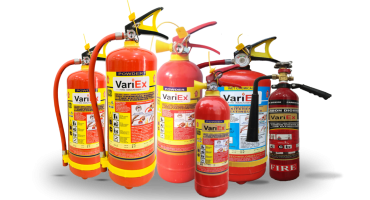 Read more +24 November 2023 in Fire Extinguisher
What types of fire extinguishers are available for different fire classes?
 Read more +02 May 2026 in Fire Extinguisher
Class B Fire Extinguisher Uses, Types, Price & Buying Guide
 Read more +30 April 2026 in ABC Fire Extinguisher, AMC Services, CO2 Fire Extinguisher, Fire Extinguisher, Fire Fighting System, FIre Hydrant, Fire Safety Equipment, Fire Safety Equipment